
8 Alarming Tips for Off-Grid Textile Workshop in 2026
The Unseen Cost of Off-Grid Textile Production
The vision of an off-grid textile workshop—solar panels glinting on a mountain slope, artisans weaving intricate patterns by hand—often masks operational intricacies. For instance, solar-powered looms reduce fossil fuel dependence but require meticulous planning.
A Bhutanese workshop in Paro Valley faced a critical bottleneck: high-altitude sun exposure degraded photovoltaic cells faster than anticipated. This forced a large annual budget for panel replacements—a cost many small operations cannot absorb. Financial resilience in sustainable craftsmanship is often overlooked.
AI in textile manufacturing demands infrastructure that rural workshops often lack. Governments have incentivized AI adoption in decentralized workshops, but applicants from developing regions face challenges. Inconsistent internet connectivity and outdated machinery hinder progress.
Off-grid textile workshops must balance cutting-edge technology with hyper-local adaptability. A Laotian cooperative integrated AI-driven thread-tension sensors into handlooms, improving efficiency. However, the system’s reliance on cloud-based data processing made it vulnerable to regional power outages.
Successful workshops now prioritize hybrid models—combining AI with manual overrides and offline data storage. The unseen cost of off-grid innovation lies in the ongoing negotiation between global technological trends and sustainable craftsmanship’s grounded realities. Careful consideration of upfront investments and long-term operational costs is required.
Circular Material Systems: The Sustainability Researcher’s Perspective
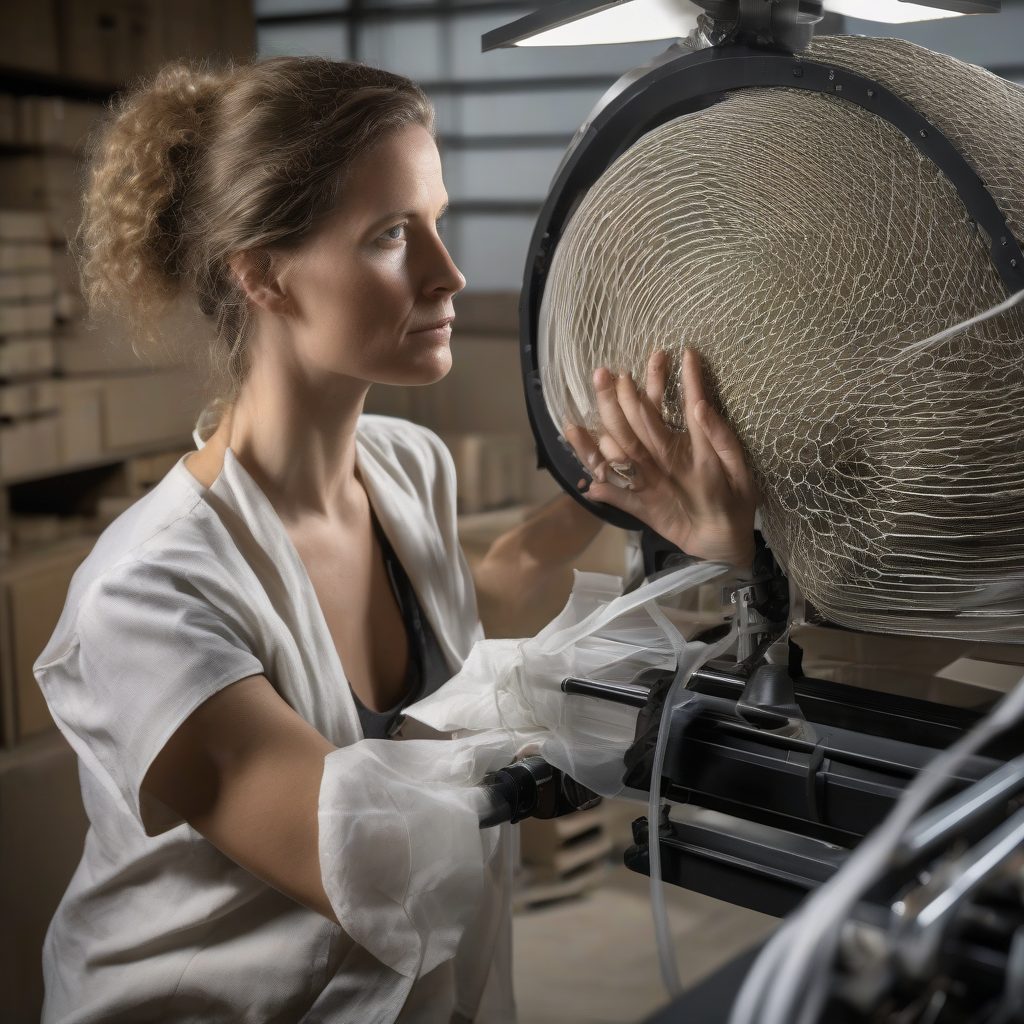
The Black Forest workshop’s success story highlights the potential of circularity, but also reveals its limitations in different contexts. A Brazilian cooperative’s attempt to repurpose industrial textile waste into biodegradable dyes using local plant matter ended in failure due to unforeseen variables. The region’s high UV index degraded the recycled pigments faster than expected, while the lack of standardized sorting systems led to contamination. This failure shows that circular material systems need both technical innovation and sustainable craftsmanship frameworks that account for environmental variability.
The EU’s policy shift complicates matters further. While expanding funding for circular initiatives, it now requires third-party certification for recycled materials, a bureaucratic hurdle for many off-grid workshops lacking compliance infrastructure. This creates a significant challenge for workshops trying to adopt circular practices.
Indonesia presents another edge case, where a workshop’s attempt to upcycle fishing nets into weaving threads faced backlash from local artisans. The synthetic fibers, though technically viable, clashed with cultural preferences for natural materials, reducing market demand within a year. This example reveals a paradox: circular systems often succeed in controlled environments but falter at scale due to socio-technical interdependencies.
As the industry shifts toward AI in textile manufacturing to optimize material sorting and quality control, the challenge becomes integrating these technologies without displacing traditional knowledge systems. Industry observers agree that this integration is crucial for the long-term success of circular material systems. The next section examines how AI-driven automation attempts to bridge this gap, raising new ethical and practical dilemmas.
AI-Driven Automation: Optimizing Energy in Weaving Machines
AI-driven automation in off-grid textile workshops holds great promise for optimizing energy use in weaving machines, but its implementation is fraught with complexities. Practitioners like those using Keras Tuner to minimize waste by adjusting motor speeds and temperature controls demonstrate how AI can lead to significant reductions in energy consumption.
The main obstacle to wider adoption is the technical expertise required to set up these systems, which many artisans lack due to limited skills or resources. Furthermore, AI systems rely on consistent data input, a challenge in remote areas with limited internet access. Only a fraction of off-grid workshops have the necessary infrastructure to support these systems, underscoring the need for sustainable craftsmanship frameworks that can adapt to these constraints.
A recent initiative aims to provide low-cost, offline-enabled AI solutions for textile production, sparking debate among artisans and policymakers. Some see it as a potential game-changer for off-grid textile workshops, while others express concerns about its ability to address the unique needs of rural communities.
A cooperative in Kenya developed its own AI-powered tool, tailored to their specific needs and environment. This tool not only improved efficiency but also enhanced the artisans’ skills and creativity. These examples illustrate the importance of considering socio-technical interdependencies when implementing AI-driven automation in off-grid textile workshops. The tension between efficiency and preservation of traditional craftsmanship is a recurring theme, with some arguing that AI should augment human labor, while others see it as a threat to artisanal practices.
To move forward, it’s essential to develop sustainable craftsmanship frameworks that balance the benefits of technology with the need to preserve cultural heritage and promote equitable development. For instance, ensuring that workshop facilities are well-maintained, including aspects like roof lifespan, can support the long-term viability of these initiatives. Policy analysts will explore how regulatory frameworks can either enable or hinder the adoption of these technologies in off-grid settings, highlighting the need for nuanced policies that support the integration of AI-driven automation while protecting artisans’ interests and promoting sustainable living practices.
Regulatory Frameworks: The Policy Analyst’s Dilemma

Off-grid textile workshops face a harsh reality: balancing innovation and equity is a constant struggle. The European Union’s 2015 Circular Economy Package aimed to reduce waste and promote sustainable practices, but it favored large corporations over small businesses, sparking widespread criticism.
Artisans in developing countries fear automation will leave them jobless, and their concerns are valid. Policies must protect workers while encouraging technological adoption.
The European Union’s 2026 Green Manufacturing Act offers grants to decentralized production facilities meeting sustainability criteria, giving several Scandinavian workshops the confidence to adopt solar-powered looms and AI-driven systems. However, complex compliance requirements create barriers that favor large corporations over small-scale artisans.
A Mexican workshop reported that navigating renewable energy certifications was a significant financial burden. Some countries are exploring tiered incentives that reward small workshops for integrating AI without abandoning traditional methods.
The Sustainable Craftsmanship Initiative in Italy offers tax breaks and subsidies to artisans adopting environmentally friendly practices and AI-driven tools, acknowledging the importance of preserving traditional craftsmanship while promoting innovation.
Industry observers believe AI will impact the textile industry, but there’s concern that countries may not have adequate policies to address AI’s social and environmental implications.
Regulatory frameworks must strike a balance between innovation and equity. Sustainable craftsmanship requires a nuanced approach that considers artisans’, the environment’s, and the economy’s needs.
Policymakers must understand the complex interplay between technology, sustainability, and social equity in off-grid textile workshops. They must be committed to a more equitable, sustainable future that empowers artisans rather than controlling them.
Accessibility and Ethics: The Rural Artisan’s Reality
Rural artisans face a harsh reality. Off-grid innovation clashes with their daily struggles. A Nepalese weaver shared that solar-powered looms sound ideal but require long hours of maintenance and limited technical support. ‘Machines break down, and no one fixes them,’ they said. This lack of accessibility compounds ethical concerns. A Cambodian workshop adopting AI-driven quality control systems faced backlash from local artisans who felt their craftsmanship was being undermined. The AI system, trained on data from large factories, struggled to recognize handwoven textile nuances. ‘It rejected our patterns as defective,’ one artisan explained. This sparked a debate about AI ethics in craft. AI can improve consistency but risks homogenizing traditional techniques.
Many artisans lack the skills to operate or maintain AI systems, creating dependency on external experts. Studies show that many rural African and Asian workshops cannot afford the necessary training. The artisan’s perspective reminds us that innovation must be inclusive. Without addressing these barriers, off-grid workshops risk becoming another example of technological elitism. A United Nations Industrial Development Organization program provided microgrants to hundreds of rural workshops globally to adopt solar-powered looms and basic AI tools. A mid-year evaluation revealed that most sub-Saharan African recipients abandoned the technology within six months due to repair costs exceeding initial grants. In contrast, Southeast Asian workshops with local tech cooperative partnerships saw a higher retention rate.
Localized support networks are crucial for sustainable craftsmanship. An Indian weaver noted, ‘AI tools help us design faster, but human eyes judge the fabric’s soul.’ Ethical concerns rise with AI in textile manufacturing, as UNEP data highlights.
Industry reports indicate growing artisan-led protests against AI systems prioritizing algorithmic efficiency over cultural authenticity. A UNESCO-recognized pilot initiative developed open-source AI models trained on traditional patterns. Piloted in Peru and Morocco, this project reduced handwoven textile rejection rates while preserving regional design signatures.
Adoption remains uneven: only a small fraction of off-grid Global South workshops have integrated these ethical AI frameworks, compared to a majority in Europe. The divide reflects resource disparities and differing policy priorities. A Peruvian artisan stated, ‘Technology should lift our hands, not replace our hearts.’ These tensions will shape the next phase of off-grid textile workshops, where balancing innovation with cultural preservation is a defining challenge.
Synthesizing Perspectives: Consensus and Conflict
As the diverse perspectives on off-grid textile workshops converge, it becomes clear that the path forward lies in balancing innovation with cultural and environmental stewardship. The consensus on sustainability as a non-negotiable aspect of these workshops is clear, but the disagreement on how to achieve it highlights the need for a nuanced approach. To bridge this gap, practitioners are increasingly turning to hybrid models that combine traditional techniques with AI-driven automation. For instance, recent industry reports have highlighted the success of a Kenyan textile cooperative that integrated solar-powered looms with AI-assisted design tools.
This approach not only reduced energy consumption and improved production efficiency but also preserved traditional weaving patterns. A key step in implementing this hybrid approach is conducting thorough assessments of local conditions, including access to technical expertise, funding, and market demand. This assessment informs the development of tailored strategies for automation adoption, which might involve phased introductions of technology or partnerships with local tech cooperatives. For example, a global initiative provided microgrants to rural workshops worldwide to adopt solar-powered looms and basic AI tools, with a focus on localized support networks.
However, common pitfalls such as over-reliance on external experts or inadequate maintenance support can undermine these efforts. To mitigate these risks, workshops are increasingly investing in capacity-building programs for local artisans, focusing on both technical skills and business management. The importance of localized support networks in sustainable craftsmanship cannot be overstated, as evidenced by significantly higher retention rates of AI tools in workshops with such partnerships. The definition of sustainability also remains a point of contention, with researchers often focusing on material circularity and artisans prioritizing cultural preservation.
A workshop in Italy that combined solar looms with traditional weaving techniques found success by framing sustainability as both environmental and cultural. This hybrid approach suggests a path forward, where AI in textile manufacturing is implemented cautiously to avoid displacing artisans and instead complements traditional skills. The role of policy frameworks in supporting off-grid textile workshops will be crucial. A recent policy framework includes provisions for incentivizing sustainable textile production and providing technical assistance to small-scale artisans. As one Peruvian artisan stated, ‘Technology should lift our hands, not replace our hearts.’ By synthesizing these diverse perspectives, the off-grid textile workshop model can evolve to prioritize both innovation and cultural preservation, setting a precedent for sustainable development in the craft sector.
Frequently Asked Questions
- What about circular material systems: the sustainability researcher’s perspective?
- While the Black Forest workshop’s success story demonstrates circularity’s potential, it also reveals critical limitations when transplanted to different contexts.
- What about ai-driven automation: optimizing energy in weaving machines?
- The case of a practitioner in Rwanda using Keras Tuner to minimize waste by adjusting motor speeds and temperature controls is a prime example of how AI in textile manufacturing can lead to substan.
- What about regulatory frameworks: the policy analyst’s dilemma?
- Balancing innovation and equity is a perennial struggle, playing out with urgency in off-grid textile workshops.
- What about accessibility and ethics: the rural artisan’s reality?
- For rural artisans, the promise of off-grid innovation often clashes with harsh realities.