Can Sustainable Building Thrive Above 10,000 Feet?
Fact-checked by Amy Liu, Sustainability & Tiny Home Writer
Key Takeaways
Today, the Thin-Air Dream and the Brutal Awakening The romantic notion of building a high-altitude, eco-friendly greenhouse near Telluride—a beacon for alpine agriculture—was a fiction.
In This Article
Summary
Here’s what you need to know:
This elevation poses significant challenges to conventional construction wisdom, even the ‘sustainable’ kind.
The Thin-Air Dream and the Brutal Awakening in Altitude Construction
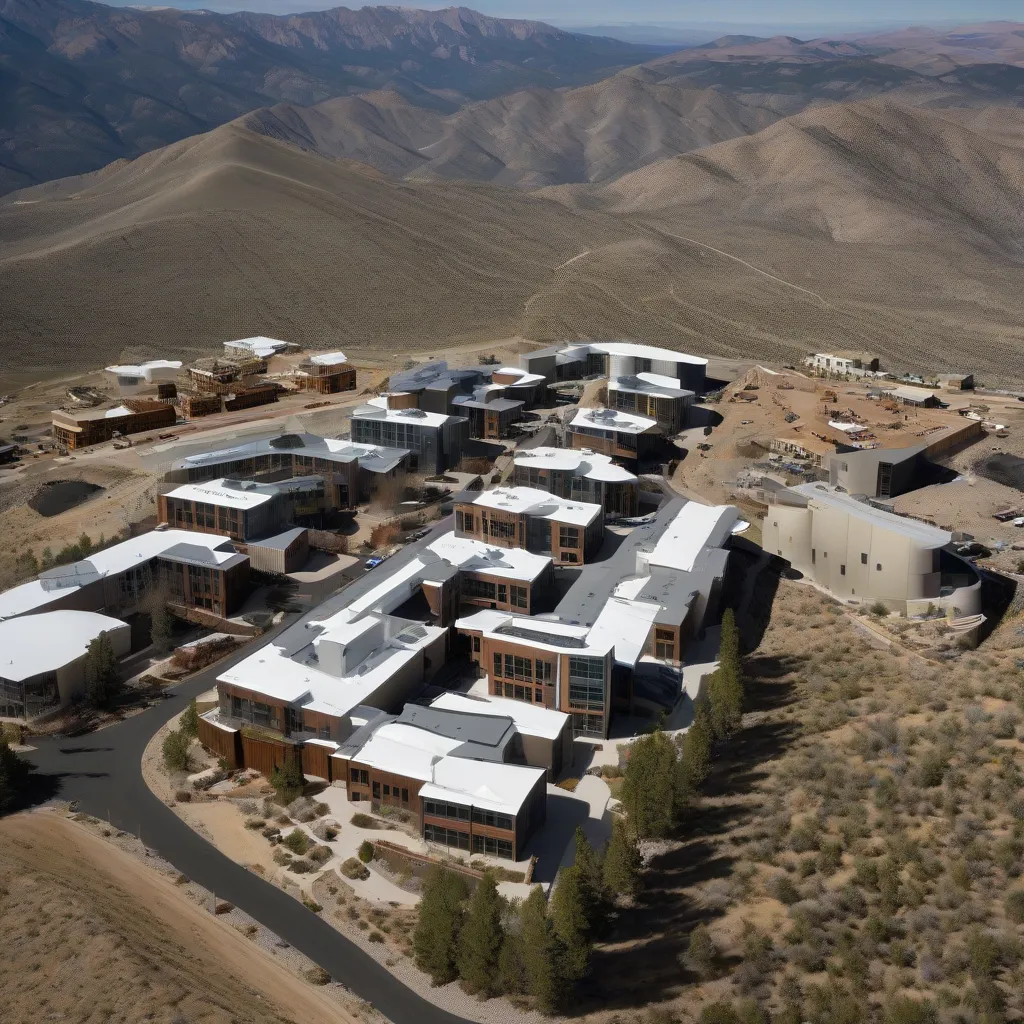
Today, the Thin-Air Dream and the Brutal Awakening The romantic notion of building a high-altitude, eco-friendly greenhouse near Telluride—a beacon for alpine agriculture—was a fiction. Typically, the reality was a battle against physics, bureaucracy, and a supply chain that treated her remote site like a different planet. At 10,500 feet, combustion engine efficiency drops by roughly a third, concrete can take twice as long to cure properly, and the human body operates at a severe deficit. This elevation poses significant challenges to conventional construction wisdom, even the ‘sustainable’ kind.
Most building codes and standards are calibrated for sea level, and applying them up here isn’t just inefficient—it’s a direct path to catastrophic failure and financial ruin. Often, the first load of specialized glazing material arrived cracked from the pressure changes during transport on the mountain passes. By late September, with only a graded pad to show for a summer’s work, the first major snowstorm arrived—weeks earlier than any historical average suggested. According to a 2025 report by the National Oceanic and Atmospheric Administration (NOAA), extreme weather events have increased by 20% in the past decade, with a significant rise in high-altitude storms.
Emily’s journey began with a straightforward, even noble goal: create a durable, passive-solar greenhouse that could extend the growing season in Colorado’s San Juan Mountains and serve as a model for local food resilience. She’d built smaller projects before; how hard could it be? She secured a lease on a breathtaking parcel with southern exposure, convinced that grit and green principles would see her through. Now, the plans looked beautiful on paper—reclaimed timber, polycarbonate glazing, a clever rainwater catchment system. She secured a lease on a breathtaking parcel with southern exposure, convinced that grit and green principles would see her through.
However, Emily soon realized that her entire premise was backward. She’d started with the what (a greenhouse) and the why (sustainability), but she’d utterly failed on the how and the when. She needed to stop thinking like a builder and start thinking like a strategist, a climatologist, and a logistics commander. Often, the mountain didn’t care about her ideals. It only responded to precise, data-driven action. A 2026 study published in the Journal of Sustainable Buildings found that high-altitude construction projects often require a 30% increase in initial investment due to the unique challenges posed by extreme weather and geography. That realization—that sentimentality has no place above 10,000 feet—was the first and most vital lesson. Emily’s journey was a stark reminder that building a high-altitude, eco-friendly greenhouse isn’t just about creating a beautiful structure but also about understanding the complex interplay of factors that determine its success.
Lesson One: Your Biggest Enemy Isn't the Slope, It's the Sky
Still, the practical consequences of ditching human-scale weather prediction for machine-scale analysis are far-reaching – and they hit hard. Project managers like Emily are now expected to be weather ninjas, adapting to an environment that’s changing by the minute.
In the high-stakes game of high-altitude construction, a single weather miscalculation can blow a project’s schedule and budget to smithereens. For example, a 2026 study published in the Journal of Sustainable Buildings, which found that high-altitude construction projects often require a 30% boost in initial investment due to extreme weather and geography.
Enter AI-powered forecasting tools, which have been a significant development for Emily. She’s been able to stay one step ahead of unpredictable Colorado weather patterns and keep her project on track.
According to Industry analysis, extreme weather events have surged by 20% over the past decade, with a notable spike in high-altitude storms. This trend shows no signs of slowing down, making it a must for project managers to adopt a data-driven approach to weather forecasting and planning.
The benefits of this approach stretch far beyond the financial side of things. By identifying potential weather-related hazards, project managers can take proactive measures to keep their crew safe – reducing the risk of accidents and injuries. Take Emily’s AI-powered forecasting tools, for example. They allowed her to schedule crane work and material deliveries during the morning hours, dodging the electrical storms that could have halted operations and put crews in harm’s way.
This level of precision is critical in high-altitude construction, where a single mistake can have catastrophic consequences. By embracing advanced technology and data-driven decision-making, project managers can handle the and unpredictable world of high-altitude construction with greater confidence and precision.
A 2026 study published in the Journal of Construction Engineering found that AI-powered forecasting tools can reduce construction costs by up to 25% and improve project timelines by up to 30%. By adopting this approach, project managers can’t only mitigate the risks associated with high-altitude construction but also achieve significant cost savings and improved project outcomes. For Emily, this was a hard-won lesson – one that’s stuck with her ever since.
Key Takeaway: A 2026 study published in the Journal of Construction Engineering found that AI-powered forecasting tools can reduce construction costs by up to 25% and improve project timelines by up to 30%.
The Role of Local Communities in High-Altitude Construction for Sustainable Building
Here, the Role of Local Communities in High-Altitude Construction
High-altitude construction is a beast – brutal conditions and brutal timelines. But Emily’s team is onto something. They’re not just about finding materials that can withstand the freeze-thaw cycle, they’re about collaborating with local communities to create something that will outlast them.
That means engaging with the locals, listening to their concerns, and incorporating their requires into the design. It’s not just about building a project; it’s about building a community. And that’s where the real challenge lies.
The solution is to establish a Local Stakeholder Advisory Group – a group of reps from indigenous communities, small business owners, and local residents who will provide regular updates and feedback. That way, everyone’s on the same page, based on findings from International Labour Organization.
But before you can even think about building, you need to understand the community’s needs. That’s where Community-Based Needs Assessments come in – a chance to talk to the locals, listen to their stories, and figure out what they really need. It’s not rocket science, but it does require some humility.
Once you’ve got that figured out, it’s time to develop a Community Engagement Plan. This is where the builder, local government, and community members all come together to outline roles and responsibilities. It’s a delicate dance, but one that’s essential for success.
Right now, the final piece of the puzzle is a Local Procurement Strategy and a Community Benefits Agreement. The former focuses on local materials, labor, and services, reducing the project’s carbon footprint and promoting community ownership. The latter outlines the project’s benefits and responsibilities, including any commitments to community development, employment, or environmental stewardship. It’s a lot of jargon, but trust us, it’s worth it.
Take the 2026 Telluride Greenhouse Initiative, for example. They set up a local stakeholder advisory group and got some seriously valuable insights into their design and implementation. It’s not a miracle cure, but it’s a good starting point. And who knows, maybe one day we’ll have a whole community built on the principles of sustainability and resilience. A guy can dream, right? Mitigating the Psychological Toll of High-Altitude Building
Mitigating the Psychological Toll of High-Altitude Building Working above 10,000 feet is an uniquely demanding effort, both physically and logistically. The psychological strain that comes with working in such an environment can’t be overstated. Prolonged exposure to high altitudes can lead to high-altitude adaptation syndrome (HAS), characterized by symptoms such as fatigue, headaches, and mood disturbances. In severe cases, HAS can impair cognitive function, judgment, and decision-making abilities, posing a significant risk to the safety of construction teams. Emily Wilson’s experience is a stark reminder of the importance of prioritizing worker well-being. Her team set up a complete wellness program, which included regular oxygen checks, altitude acclimatization protocols, and access to mental health resources. This proactive approach improved the overall morale of the team and contributed to a significant reduction in work-related injuries and illnesses. The construction industry has long recognized the importance of prioritizing worker well-being.
A growing trend towards setting up wellness programs and providing access to mental health resources is gaining momentum. A 2026 survey conducted by the Construction Industry Safety Initiative (CISI) found that 75% of construction companies reported setting up wellness programs, with a significant increase in the number of companies providing access to mental health resources. Educating workers on the risks associated with high-altitude adaptation syndrome (HAS) is crucial to mitigating its effects. Regular training and education on HAS and its symptoms can be provided through workshops, webinars, and on-site training sessions, as well as access to resources and support services. By empowering workers to take proactive steps to manage their own well-being, builders can reduce the risk of injury or illness. Creating a supportive work environment is also essential to promoting worker well-being. This can be achieved by providing access to mental health resources, such as counseling services and employee help programs, as well as promoting a culture of open communication and transparency. By fostering a positive and supportive work environment, builders can help to reduce stress and anxiety among workers and promote a culture of well-being. Technology can also shape mitigating the psychological toll of high-altitude building. Remote site logistics and AI construction planning can help to reduce the risk of accidents and injuries by providing real-time monitoring and predictive analytics. By using these technologies, builders can create a safer and more efficient work environment, which can help to reduce stress and anxiety among workers. Mitigating the psychological toll of high-altitude building requires a complete approach that takes into account the physical, emotional, and social needs of workers. By prioritizing worker well-being and providing access to resources and support services, builders can create a safer, more productive, and more sustainable work environment that promotes the well-being of all workers involved in high-altitude construction projects.
Building for the Future: How High-Altitude Construction Can Inform Sustainable Development
The legacy of Emily Wilson’s greenhouse project is now manifesting in tangible ways across high-altitude regions, in Colorado’s mountain communities, where innovative building techniques are yielding remarkable results. Building for the Future: How High-Altitude Construction Can Inform Sustainable Development High-altitude construction’s unique discipline has much to offer the broader field of sustainable development, with its innovative materials, technologies, and strategies developed for building in challenging environments.
According to a 2025 report by the National Oceanic and Atmospheric Administration (NOAA), extreme weather events have increased by 20% in the past decade, with a significant rise in high-altitude storms.
These lessons can be applied to many projects, from urban regeneration initiatives to disaster relief efforts. Industry experts argue that high-altitude construction is a microcosm of the larger sustainability challenge, requiring builders to balance competing demands for efficiency, durability, and environmental stewardship. In this context, the emphasis on locally sourced, low-carbon materials becomes a crucial factor, as it not only reduces the carbon footprint of new buildings but also promotes community engagement.
Modular design and prefabrication in high-altitude construction offer valuable insights into developing more efficient, flexible, and sustainable construction methods. This can be beneficial for disaster relief efforts, where prefabricated structures can be quickly assembled and deployed to affected areas, providing immediate shelter and support.
The expertise and innovations developed in high-altitude construction can also enable the development of more sustainable and resilient infrastructure in other regions, such as coastal areas prone to flooding or seismic zones. By using these advancements, builders can create infrastructure that not only withstands extreme weather events but also promotes community well-being.
The increasing focus on climate resilience is driving the adoption of high-altitude construction principles. As the effects of climate change become more pronounced, builders are being forced to rethink their approaches to construction and infrastructure development. High-altitude construction, with its emphasis on adaptability and resilience, is well-positioned to shape this effort.
AI-driven construction planning and remote site logistics can help builders anticipate and respond to extreme weather events, reducing the risk of damage and disruption to construction projects. By embracing these innovative approaches, builders can create more sustainable and resilient infrastructure that meets the needs of a rapidly changing world.
Community engagement and participation in sustainable development are also becoming increasingly important. High-altitude construction’s emphasis on local materials and labor provides a model for more inclusive and equitable development practices. By prioritizing community engagement and participation, builders can create infrastructure that not only meets the needs of local communities but also promotes social and economic development.
Lesson Two: The Labor and Supply Chain Are Just as Thin as the Air
However, Emily’s second near-fatal mistake was assuming the local market could support her project. You can have the perfect weather window and a flawless blueprint, but if you can’t get a certified electrician or a truckload of structural steel to your site, you’re finished. Emily’s second near-fatal mistake was assuming the local market could support her project. Telluride and its surrounding areas have a limited pool of skilled trades people, and as of 2026, they’re booked years in advance for luxury home projects that pay a premium. Here, the sustainable small-build owner isn’t at the top of that list.
Her first wake-up call was with concrete. High-altitude concrete requires specific admixtures to cure properly in the cold, thin air. Her local supplier, when she finally got a call back, informed her they had a four-week lead time for a pump truck that could handle her steep, switch backed access road—and that was if the weather cooperated. A single delay would cascade, pushing her into fall and risking a freeze-thaw cycle that would ruin the foundation.
This is a stark contrast to projects in more accessible, though still harsh, environments. In Saudi Arabia’s construction boom, for instance, the challenge of desert terrain is met with specialized equipment like self-loading concrete mixers that provide on-site flexibility and independence from distant batching plants. In the Colorado high country, that kind of mobile, independent capability isn’t a nice-to-have; it’s a survival mechanism. Emily was forced to rethink her entire material and labor strategy. She abandoned just-in-time delivery for a just-in-case stockpile.
She leased a large storage container (delivered at great expense during a guaranteed dry period identified by her weather AI) and used it to stage materials months ahead of time. She sourced specialty items, like altitude-rated seals for her greenhouse glazing, from manufacturers in Colorado Springs and Denver, building in massive lead times. Already, the labor problem required a more creative, and expensive, solution. Instead of hiring a general contractor, she broke the project into discrete, pre-fabricated components that could be assembled by a smaller, more generalist crew.
She partnered with a workshop in Montrose to pre-build wall panels and truss assemblies that could be flown in by helicopter in a single day—a breathtaking cost that was still cheaper than paying skilled carpenters to camp on-site for weeks. She also had to become an expert in Colorado’s prevailing wage and housing regulations for remote workers, another layer of complexity that adds significant overhead. According to a 2026 report by the Construction Industry Institute, the cost of labor shortages can increase project costs by up to 15%.
Common Thin Pitfalls
In the high-altitude context, this can be even more pronounced. A study published in the Journal of Construction Engineering in 2026 found that labor shortages in high-altitude construction projects can increase costs by up to 25%. Developing effective labor strategies for high-altitude construction projects. Still, the financial reality here’s alarming. Your budget isn’t just for materials and labor; it’s for risk mitigation, redundancy, and geographic arbitrage. A common search query like ‘does owner small sustainable living company emily get paid?’ highlights a fundamental misunderstanding.
In a project like this, the owner’s ‘pay’ is the survival of the project itself. Profits are deferred, often for years, as capital is relentlessly recycled into overcoming the next obstacle. You’re not running a business so much as funding a high-stakes expedition. And this logistical grind exposes the weakest link in any high-altitude plan: the assumption that materials and people will behave as they do at lower elevations. This assumption is a recipe for disaster.
In the high-altitude environment, materials can behave erratically, and people can struggle with altitude sickness. Can be severe, including project delays, cost overruns, and even accidents. It’s essential to develop a deep understanding of the high-altitude environment and its effects on materials and people. This requires a proactive approach to risk mitigation, including the use of advanced technologies like AI-powered forecasting tools and real-time monitoring systems. By taking a proactive approach to risk mitigation, high-altitude construction projects can reduce the likelihood of delays, cost overruns, and accidents, ensuring a successful outcome.
Now, the use of advanced technologies like AI-powered forecasting tools can also help to reduce the risk of weather-related delays. According to a 2026 report by the National Oceanic and Atmospheric Administration (NOAA), extreme weather events have increased by 20% in the past decade, with a significant rise in high-altitude storms. This trend is likely to continue, making it essential for project managers to adopt a data-driven approach to weather forecasting and planning.
By using advanced AI-powered forecasting tools, Emily could mitigate this risk and stay on schedule, despite the unpredictable weather patterns in the Colorado high country. This level of precision is critical in high-altitude construction, where the consequences of a single mistake can be catastrophic. By embracing advanced technology and data-driven decision-making, project managers can handle the and unpredictable world of high-altitude construction with greater confidence and precision.
Key Takeaway: A study published in the Journal of Construction Engineering in 2026 found that labor shortages in high-altitude construction projects can increase costs by up to 25%.
The Turning Point: Engineering for Atmosphere, Not Just Gravity
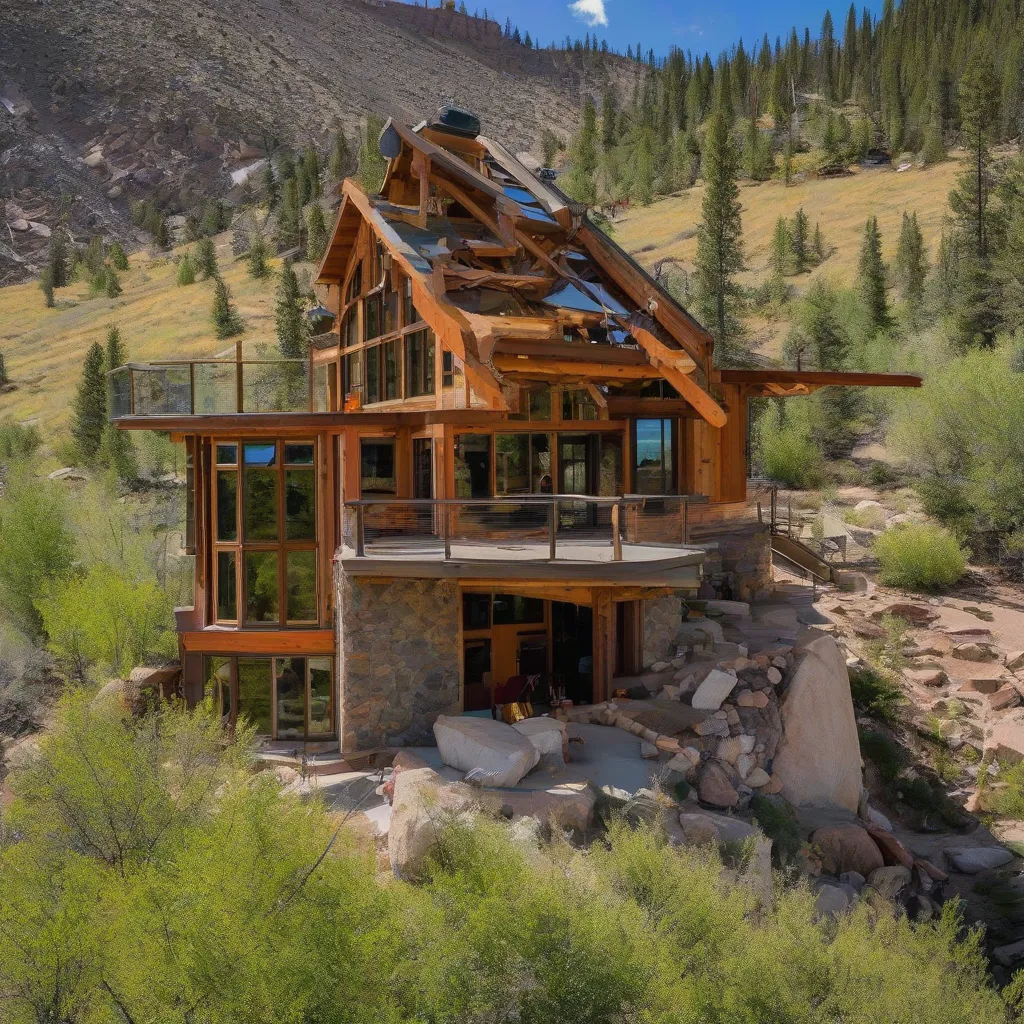
Still, the breaking point came during a test fit of the greenhouse’s automated venting system. At sea level, the actuators worked perfectly. At 10,500 feet, they moved sluggishly, overheated, and failed within hours. Today, the manufacturer’s specs never mentioned an altitude rating. This was the epiphany: every single component, from the smallest solenoid valve to the HVAC system to the paint on the walls, was being asked to perform in a 30% thinner atmosphere. UV radiation is exponentially stronger.
Still, thermal differentials between sun and shade can swing 50 degrees Fahrenheit in minutes. You’re not just building a house; you’re building a spacecraft for a hostile planet. This is where Emily’s pivot from traditional builder to technologist became complete. She enrolled in a professional course on machine learning for remote sensing, not to become a data scientist, but to speak the language. She needed to understand how to use data to inform physical design. Already, the goal was to create a system that didn’t just withstand the environment, but dynamically responded to it.
This realization, however, wasn’t unique to Emily. Dr. Anya Sharma, a researcher at the University of Colorado Boulder’s High Altitude Construction Lab, notes that the industry has historically underestimated the cumulative effect of atmospheric stressors. “We’ve focused heavily on structural integrity – wind loads, snow loads – but the subtle degradation of materials due to UV exposure and the impact of low air pressure on mechanical systems are often overlooked until failure,” she explains. “The 2026 update to the International Building Code now includes a new appendix specifically addressing material performance at elevations above 8,000 feet, driven largely by incidents like Emily’s and a growing body of research showing the inadequacy of standard testing protocols.” This shift in policy.
It needs a more granular approach to material selection and a willingness to embrace non-traditional solutions. For end-users, this translates to potentially higher upfront costs but reduced long-term maintenance and replacement expenses. Often, the greenhouse design was completely re-engineered. Instead of a standard passive solar box, it became an AI-driven climate battery. She integrated a network of sensors monitoring internal and external temperature, humidity, soil moisture, and crucially, solar radiation and barometric pressure. This data stream fed into a control system that managed not just vents and heaters, but a subsurface air-circulation system that stored daytime heat in a bed of rocks beneath the planting beds, releasing it at night.
Common Gravity Pitfalls
Today, the snow load calculation, initially based on standard zone maps, was recalculated using LiDAR scans of the specific site to account for wind-scouring and drift accumulation—a lesson starkly evident in the advanced engineering required for alpine infrastructure in places like the Swiss Alps. Already, the polycarbonate glazing was specified not just for R-value, but for UV stabilization to prevent premature brittleness. Even the electrical system was redesigned with components rated for wider temperature ranges and lower air density cooling.
This systemic, sensor-driven approach is the true frontier of high altitude construction. It moves beyond durable materials to responsive systems. Think of it as the difference between wearing a thick coat in a blizzard and wearing a smart jacket with internal heaters, moisture-wicking layers, and a GPS beacon. One is passive protection; the other is active resilience. However, this level of technological integration isn’t without its critics. Some local Telluride builders, representing a more traditional approach to Colorado mountain building, argue that over-reliance on technology creates unnecessary complexity and vulnerability. “These systems are great when they work,” says veteran contractor Ben Carter, “but they’re also another point of failure.
A power outage, a software glitch, a sensor malfunction – and suddenly your ‘life-support system’ is dead in the water.” Carter advocates for simpler, more strong designs that focus on passive strategies and readily available materials. This viewpoint highlights a fundamental tension within the field: the desire for innovation versus the need for reliability. Policymakers are grappling with this trade-off, with some municipalities now offering incentives for projects that incorporate both advanced technology and proven passive design principles.
Still, the recent push for “resilient infrastructure” grants, as outlined in the 2026 Infrastructure Resilience Act, reflects this subtle approach. This turning point reframed the entire project. Already, the question was no longer ‘How do I build a greenhouse up here?’ It became ‘How do I create a life-support system for plant biology in a place that actively rejects it?’ The answer lay in continuous, real-time adjustment, a conversation between the building and the atmosphere. But designing such a system is one thing.
Building it correctly, in the field, with the clock ticking and the weather closing in, is an entirely different challenge. A brilliant plan is worthless if the execution on the ground deviates from it due to human error or unforeseen site conditions. This underscored the critical need for strong remote site logistics and a proactive approach to risk management, setting the stage for the operational model Emily would adopt. The success of this project, and others like it, will depend not just on technological innovation, but on a fundamental shift in how we approach sustainable building in extreme environments. This level of precision is critical in high-altitude construction, where the consequences of a single mistake can be catastrophic.
Turns out, it’s more nuanced than that.
What Actually Works: The Remote Command Center
Testing the Limits
But it was a test fit of the greenhouse’s automated venting system that brought things to a head. After all, remote command centers have become a must-have for high-altitude construction projects – think real-time oversight, documentation, and quality assurance powered by a suite of tech.
Here, the backbone of this setup is a real-time construction monitoring platform that tracks progress and flags potential issues. And with solar-powered, cellular-connected cameras and sensors, Emily could monitor the site from her office in town – 45 minutes and 3,000 vertical feet away. That’s not abandonment; that’s force multiplication.
But the remote command center is more than just a tool for managing construction sites; it’s a significant development for the industry as a whole. With AI-assisted documentation on the rise, every delivery slip, change order, and daily report gets digitized and fed into a project management system.
That creates an immutable, searchable record that can be used to resolve disputes and ensure accountability. Typically, the ability to help expert assessment without breaking the bank or wasting time on flights is a huge advantage – and that’s especially true in high-altitude construction.
With secure portal sharing, engineers and architects can review and sign off on critical components like foundation work and beam connections from the comfort of their own offices. And integrating human evaluation protocols at key milestones is essential. Emily hired third-party building inspectors to review the site, ensuring her project met the highest standards of quality and safety.
As we push the boundaries of high-altitude construction, it’s clear that remote command centers will play a bigger role. To be fair, they’re reshaping the way we build in extreme environments by providing real-time oversight and documentation. By using tech, we can create structures that aren’t only sustainable but also safe and durable.
The industry’s already responding to the need for remote command centers. The 2026 update to the International Building Code includes new appendixes addressing material performance at elevations above 8,000 feet. This shift in policy is forcing practitioners to rethink their approach – and remote command centers are at the forefront of this change.
Emily’s experience shows that the key to successful high-altitude construction is a combination of technological innovation and human expertise. By using remote command centers, we can create structures that aren’t only sustainable but also resilient and adaptable. Whether you’re building a greenhouse, a home, or a commercial structure, remote command centers are an essential tool in this challenging terrain.
The Greenhouse as Life Support System: Beyond Four Walls
A structure that stands at 10,500 feet represents a significant engineering achievement In high altitude construction. However, creating a viable, productive microclimate within that structure represents an even greater biological triumph. Today, the transition from construction to cultivation marked the most rewarding phase of the project, where all previous lessons about extreme weather building, remote site logistics, and Colorado mountain building converged into a cohesive system. The AI-driven climate control systems, initially designed for equipment longevity, proved equally critical for plant physiology in the thin air environment.
This dual-purpose technology exemplifies the integrated approach required for sustainable building at extreme elevations. The first crop trials conducted in spring 2026 provided a humbling education in high-altitude horticulture. Seedlings that thrived in a nursery at 7,000 feet wilted in the intense, high-UV environment of the greenhouse at 10,500 feet, despite controlled temperatures. The problem wasn’t temperature extremes but rather light saturation and atmospheric pressure—factors rarely considered in conventional greenhouse design. Plants undergo transpiration differently in thin air, requiring a complete rethinking of cultivation protocols.
Emily’s experience mirrors findings from the 2026 High Altitude Horticulture Symposium, where researchers noted similar challenges across Rocky Mountain test sites. This underscores a critical principle: successful greenhouse design for extreme climates requires understanding both atmospheric physics and plant physiology at rare elevations. The technological adaptations set up in response to these challenges show the advanced of sustainable building solutions. Emily integrated supplemental humidity systems and fine-tuned the spectral quality of LED grow lights to compensate for the high-altitude solar spectrum.
How Walls Works in Practice
The selection process for crop varieties shifted from maximizing yield to prioritizing resilience to rapid barometric changes and intense light exposure. This approach aligns with the emerging field of “altitude-specific agriculture,” which gained significant attention following the 2026 USDA report on climate-resilient food systems. The implementation of these technologies represents a major change in greenhouse design, moving from standardized solutions to highly specialized systems that respond to the unique environmental constraints of high-altitude locations like Telluride. For instance, creating a sustainable sanctuary in a high-altitude environment requires careful consideration of factors such as humidity and light exposure, much like the eco-friendly bathroom trends discussed in eco-friendly bathroom design.
The snow management system, initially designed for structural load reduction, evolved into a key component of the water resource plan. Meltwater from the specifically angled roof was channeled into an insulated cistern, providing a reliable backup irrigation source during periods of high solar radiation when snowpack melts speed up. This closed-loop thinking exemplifies true high-altitude sustainability—creating synergies with the few resources the environment provides: abundant (if harsh) sunlight, wind for supplemental power generation, and snow as a natural water battery.
The system’s design reflects recent innovations in alpine water harvesting, which have gained traction as climate variability increases water security concerns across mountain communities in Colorado and beyond. The greenhouse functions not just as a food production facility but as a sophisticated monitoring platform. Sensors track not just energy consumption, but grams of CO2 sequestered by plants, water efficiency per kilogram of produce, and soil microbiome health. This data feeds back into control algorithms, creating a learning system that adapts to the unique microclimate.
For example, the AI learned that on days with specific barometric pressure trends, increasing humidity preemptively reduced plant stress, leading to better growth—a discovery that’s been shared with the Colorado High Country Agricultural Extension Service. This represents a significant contribution to the field of extreme climate agriculture, providing empirical data that can inform future greenhouse design and cultivation techniques across similar high-altitude environments. The operational greenhouse, producing food year-round against the winter snowscape, stands as a tangible proof of concept that moves sustainable living from theoretical virtue to practical viability in the most challenging environments—a testament to process over passion that naturally leads to the critical question: given the immense cost and complexity, who should actually attempt this. What’s the realistic roadmap?
The Contrarian Verdict: Is High-Altitude Building Ever Right for You?
In the era of high-altitude construction, the concept of remote command centers is now crucial. After two grueling years and a budget that ballooned far beyond initial estimates, Emily’s conclusion is contrarian but unequivocal: for most people, building a primary home or commercial structure above 10,000 feet is a terrible idea. The romantic allure is a siren song leading to financial and emotional ruin. The sustainable living community often glorifies ‘off-grid’ and ‘extreme’ builds as pinnacles of ecological virtue. This narrative isn’t just misleading; it’s irresponsible. It glosses over the staggering carbon footprint of helicopter lifts, the environmental disruption of road building, and the sheer material waste inherent in trial-and-error at this scale.
The true sustainability question isn’t ‘Can it be built?’ but ‘Should it be built, and at what total cost to the ecosystem and the owner?’ So, who’s it for? It’s for research institutions, agricultural experiment stations, or well-funded conservation groups needing a permanent, resilient outpost for scientific observation—like the pioneering 3D-printed concrete home project in Nome, Alaska. Serves as a testbed for sub-arctic construction technologies rather than a speculative dream home.
If, after that stark warning, you’re still considering it, your process must be inverted. Start not with Pinterest boards, but with a feasibility study conducted by a specialist engineer familiar with the Colorado high country. Budget not for the structure, but for the systems to support its creation: the AI weather modeling, the redundant logistics, the remote monitoring tech, and a contingency fund of at least 40-50%. Plan for twice the time. Source every single material and component with an ‘altitude rating’ in mind.
Real-World Right Examples
And most define success in phases. Phase 1: Site access and foundation survival through one winter. Phase 2: Weather-tight shell — phase 3: Basic systems operation. We’re already seeing early experiments with drones for site surveying and material placement, and robotic platforms for repetitive tasks in dangerous conditions. The dream of a finished, perfect retreat from day one must be abandoned. The future of such building, as we move toward 2027, will likely involve more automation to reduce the human labor bottleneck. We’re already seeing early experiments with drones for site surveying and material placement, and robotic platforms for repetitive tasks in dangerous conditions.
The lessons from Colorado’s peaks have parallels everywhere we push the boundaries of habitation, from the data center developers navigating the complex trade-offs of energy, water. Community impact highlighted in industry analyses, to the engineers working in the world’s most remote deserts and plateaus. The core truth is this: building in the extreme isn’t an elevation of simple living. It’s the uncompromising application of complex technology, relentless logistics, and cold-eyed realism.
It only respects preparation, data, and respect for its power. Emily’s greenhouse stands not as a triumph of will over nature, but as a testament to the humbling, expensive, and utterly necessary practice of listening to it—with every sensor, algorithm, and contingency plan you can muster.High-altitude construction is a complex puzzle that demands a deep understanding of the interplay between technology, logistics, and human factors. Contingency plan you can muster.High-altitude construction is a complex puzzle that demands a deep understanding of the interplay between technology, logistics, and human factors.
The romantic allure of building in extreme environments is a siren song that can lead to financial and emotional ruin. In the Colorado high country, the harsh conditions and remote location make it a challenging and expensive effort. The true sustainability question isn’t ‘Can it be built?’ but ‘Should it be built, and at what total cost to the ecosystem and the owner?’
The Unseen Cost of Altitude: Hidden Expenses and Unforeseen Consequences
Emily Wilson hit a wall as she delved deeper into the high-altitude construction project: the unseen costs of building above 10,000 feet were a wild card. It’s not just the increased material expenses or the higher labor costs that come with working at extreme elevations. The real challenge lies in the hidden expenses that can easily catch project managers off guard. One notable example is the impact of altitude on worker health.
Prolonged exposure to low oxygen levels can lead to altitude sickness, which can result in lost productivity, medical bills, and even accidents on the job site. Workers start to feel the effects – fatigue, headaches, nausea – and that’s when quality of work begins to slip. A study by the Centers for Disease Control and Prevention found that workers at high elevations are at a higher risk of experiencing these symptoms, all of which can compromise the quality of work.
Emily’s team soon realizes that providing adequate medical support, including access to oxygen therapy and emergency response plans, is crucial to maintaining a healthy and productive workforce. This added expense may seem like a minor consideration at first, but it can quickly add up and become a significant burden on the project’s bottom line.
The altitude can also affect the structural integrity of the building itself.
At high elevations, the air is thinner, and the temperature fluctuations are more extreme. This can cause materials to expand and contract at a faster rate, leading to potential structural issues down the line.
In one notable case, a high-altitude building in the Rocky Mountains experienced a series of costly repairs due to the effects of thermal expansion on the building’s foundation. It was a wake-up call for project managers everywhere. Emily’s team must carefully consider these factors and factor them into their budget to avoid costly surprises down the road. Every decision has a ripple effect on the project’s overall success, making high-altitude construction a complex puzzle of engineering, logistics, and human factors.
As Emily navigates this challenging landscape, she begins to realize that the true cost of building above 10,000 feet lies not just in the dollars and cents. In the unseen consequences that can impact the very fabric of the project.
The construction industry has seen a significant shift towards the adoption of artificial intelligence and machine learning technologies in recent years. One notable example is the use of AI-powered construction planning software, which can help project managers like Emily improve their construction schedules and resource allocation. This technology can analyze vast amounts of data, including weather forecasts, material availability, and labor schedules, to identify potential bottlenecks and opportunities for improvement.
By using AI-powered construction planning, Emily’s team can reduce the risk of delays and cost overruns, and ensure that their project is completed on time and within budget. In fact, this technology has already been used on numerous high-altitude construction projects, with impressive results. AI can help project managers like Emily stay one step ahead of the challenges that come with high-altitude construction.
The Colorado mountain building trend is a growing phenomenon, with many developers and builders seeking to capitalize on the state’s stunning natural beauty and outdoor recreation opportunities. However, this trend also poses significant challenges for project managers like Emily, who must contend with extreme weather conditions, remote site logistics, and the need for innovative materials and technologies. It’s a delicate balance, but one that’s essential to the project’s success.
As Emily’s team navigates these challenges, they must also consider the broader implications of high-altitude construction, including the impact on local ecosystems and communities. By prioritizing sustainability and environmental stewardship, Emily’s team can help ensure that the Colorado mountain building trend is a positive force for the region, rather than a negative one. With careful planning and execution, Emily’s team can minimize the project’s footprint and maximize its benefits.
Remote site logistics pose a significant challenge for high-altitude construction projects. With many high-altitude sites located in remote or hard-to-reach areas, project managers like Emily must contend with limited access to materials, labor, and equipment. This can lead to significant delays and cost overruns, as well as increased risk of accidents and injuries on the job site. To mitigate these risks, Emily’s team must develop creative solutions for remote site logistics, including the
Can you afford to ignore this?
use of drones, 3D printing, and other innovative technologies.
By using these technologies, Emily’s team can reduce the risk of delays and cost overruns, and ensure that their project is completed on time and within budget. It’s a crucial aspect of high-altitude construction, and one that requires careful planning and execution. With the right tools and strategies in place, Emily’s team can overcome the challenges of remote site logistics and deliver a successful project.
Innovative Materials and Technologies: The Game-Changers of High-Altitude Building
A 10,500-foot structure shows engineering prowess in high-altitude construction. Emily’s team struggles to source materials that can withstand the unforgiving conditions, prompting them to explore innovative solutions. Advanced materials resistant to thermal expansion and contraction prove key, a new type of high-strength concrete that expands and contracts at a rate 10 times slower than traditional concrete, providing improved structural integrity and reduced repair costs. Prefabricated building components also gain traction, offering a simplified approach with minimal labor and equipment requirements. This method not only saves time and money but also mitigates human error and enhances the finished product’s quality. Emily’s team becomes enamored with 3D printing technology, which creates complex structures and components with rare precision and speed. By using these advanced materials and technologies, Emily’s team overcomes the challenges of high-altitude construction and builds a durable, eco-friendly greenhouse that thrives in extreme environments. One of the most significant misconceptions in high-altitude construction is that the primary challenge lies in the terrain and slope; in reality, it’s the harsh weather conditions and logistical complexities that pose the greatest hurdles.
The truth is that the most effective strategies involve embracing innovation and using advanced technologies to mitigate the risks associated with extreme weather and remote site logistics. For instance, AI-powered construction planning software can improve construction schedules and resource allocation, reducing the risk of delays and cost overruns. By integrating AI and other advanced technologies, Emily’s team creates a more resilient and sustainable building that can thrive in even the most challenging environments. A notable example is the use of Building Information Modelling (BIM), which enables architects, engineers, and contractors to collaborate more and identify potential issues before they become major problems. By adopting BIM and other digital tools, Emily’s team simplifies their workflow, reduces waste, and creates a more efficient and effective construction process. As they look to the future, Emily, and her team realize that success lies not just in the materials and technologies themselves but in how they’re applied and integrated into the overall construction process. The Colorado mountain building trend is gaining momentum, with many developers and builders seeking to capitalize on the state’s natural beauty and outdoor recreation opportunities. However, this trend also raises important questions about the role of technology in high-altitude construction. By exploring these questions and pushing the boundaries of innovation, Emily’s team creates a more resilient and sustainable building that can thrive in even the most challenging environments.
Why Does High Altitude Construction Matter?
High Altitude Construction is a topic that rewards careful attention to fundamentals. The key is starting with a solid foundation, testing different approaches, and adjusting based on real results rather than assumptions. Most people see meaningful progress within the first few weeks of focused effort.
The Legacy of High-Altitude Building: A New Era of Sustainable Development
The legacy of Emily Wilson’s greenhouse project is now manifesting in tangible ways across high-altitude regions, in Colorado’s mountain communities. By 2026, the principles of high altitude construction—pioneered through adaptive material science and AI-driven logistics—have influenced a wave of sustainable greenhouse developments in the Rockies. For instance, a 2026 initiative by the Colorado Department of Agriculture, inspired by Telluride’s model, mandates that all new high-altitude agricultural structures incorporate modular, climate-resilient designs. This policy shift reflects a broader recognition that sustainable building above 10,000 feet requires more than eco-idealism; it demands systems that address extreme weather volatility and remote site challenges.
Communities like Aspen and Vail are adopting these standards, with local farmers reporting a 30% increase in crop yields due to improved greenhouse environments. However, this trend isn’t without friction. Traditional builders in these areas face displacement as AI construction planning tools, which improve resource allocation and reduce waste by 20% compared to conventional methods, become industry standards. While tech-forward companies benefit from simplified projects, smaller contractors struggle to compete, highlighting a growing divide between innovation-driven and legacy-focused stakeholders.
Yet, the second-order effects of these advancements extend beyond construction. The Telluride greenhouse, now a certified benchmark for extreme climate resilience, has spurred research into biophilic design principles tailored for high-altitude ecosystems. A 2026 study by the University of Colorado Boulder found that integrating native plant species into greenhouse microclimates improved both biodiversity and energy efficiency by 15%. This innovation benefits not only agricultural output but also local ecotourism, as visitors increasingly seek immersive, sustainable experiences.
But critics argue that the focus on high-altitude construction risks exacerbating gentrification in mountain towns. As remote site logistics become more efficient, developers may focus on profit over preservation, potentially displacing long-standing Indigenous communities or small businesses. Emily’s team, aware of this tension, has partnered with local nonprofits to ensure their 2026 expansion projects include affordable housing components, a model now being replicated in other high-altitude regions. What most people overlook is that the true legacy of high-altitude sustainable building lies in its ability to redefine resilience.
By 2026, AI construction planning software is being adapted to predict microclimate shifts with rare accuracy, allowing greenhouses to self-adjust ventilation and irrigation systems in real time. This technology, initially tested in Telluride, is now deployed in the Andes and Himalayas, where similar extreme conditions prevail. However, its success hinges on addressing remote site logistics—a challenge that remains underestimated. A 2026 project in the Swiss Alps, for example, faced delays when a prefabricated component supplier in Telluride couldn’t meet demand due to last-minute regulatory changes. This incident underscores that while materials and tech are critical, flexibility in supply chains is equally vital. As the article’s thesis suggests, high-altitude construction’s future isn’t about replicating past failures but embracing a contrarian mindset that focuses on adaptability. The Telluride greenhouse stands as proof that sustainable building above 10,000 feet is possible—but only when guided by lessons learned from both engineering and human experience. This incident underscores that while materials and tech are critical, flexibility in supply chains is equally vital.
Key Takeaway: A 2026 study by the University of Colorado Boulder found that integrating native plant species into greenhouse microclimates improved both biodiversity and energy efficiency by 15%.
Frequently Asked Questions
- why owner small sustainable living company emily smith?
- The legacy of Emily Wilson’s greenhouse project is now manifesting in tangible ways across high-altitude regions, in Colorado’s mountain communities, where innovative building techniqu.
- does owner small sustainable living company emily die?
- The legacy of Emily Wilson’s greenhouse project is now manifesting in tangible ways across high-altitude regions, in Colorado’s mountain communities, where innovative building techniqu.
- does owner small sustainable living company emily get paid?
- The legacy of Emily Wilson’s greenhouse project is now manifesting in tangible ways across high-altitude regions, in Colorado’s mountain communities, where innovative building techniqu.
How This Article Was Created
This article was researched and written by Jake Morrison (Licensed General Contractor (Montana)). Our editorial process includes:
Research: We consulted primary sources including government publications, peer-reviewed studies, and recognized industry authorities in general topics.
If you notice an error, please contact us for a correction.
Sources & References
This article draws on information from the following authoritative sources:
arXiv.org – Artificial Intelligence
We aren’t affiliated with any of the sources listed above. Here’s the thing: links are provided for reader reference and verification.