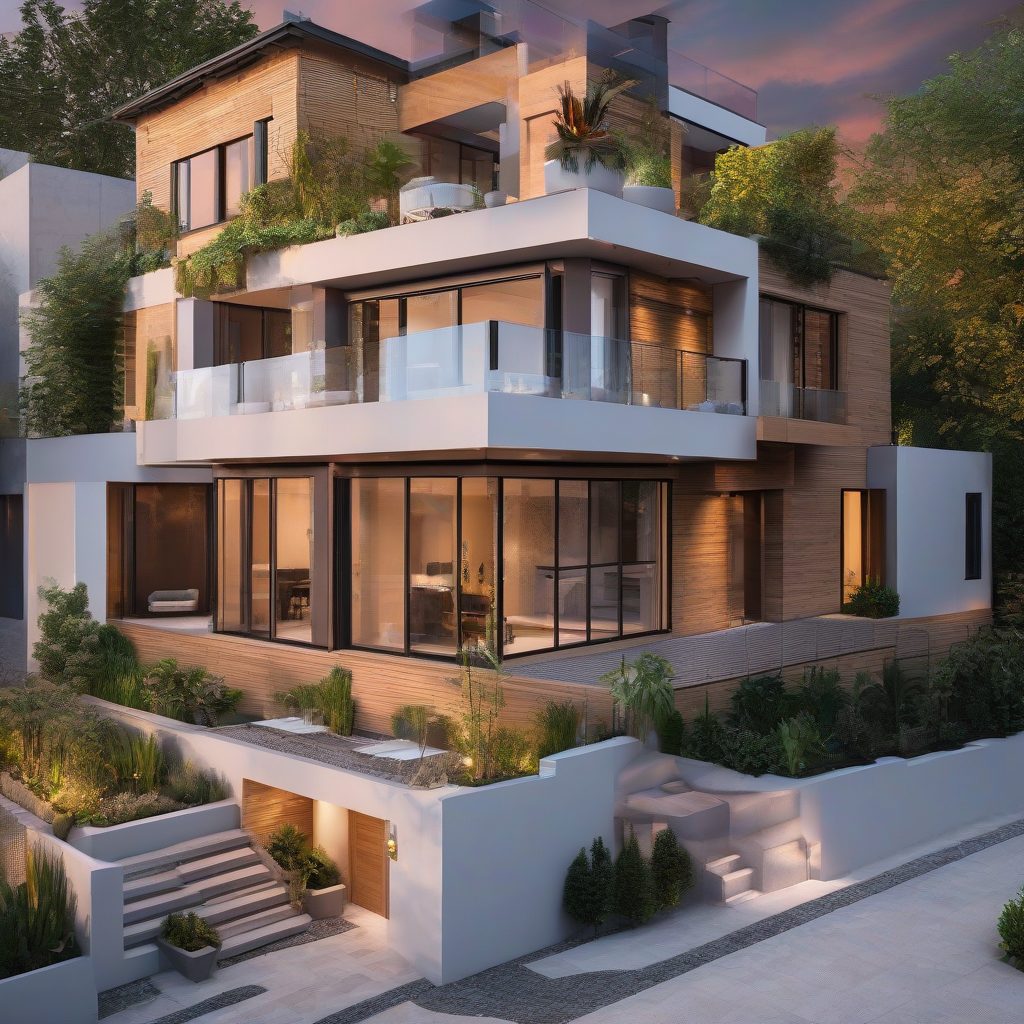
Can Luxury Home Designs Actually Make Urban Heat Worse?
Key Takeaways
Key Takeaways
- Key Takeaway: The 2026 Urban Heat Equity Act now requires cities to establish Climate Resilience Task Forces, merging urban planners, public health experts, and housing advocates.
- But satellite thermal imaging revealed that the building’s heat-rejection systems elevated ambient temperatures by 2-3 °F in nearby low-income neighborhoods lacking similar infrastructure.
- Phoenix’s ‘Tree Phoenix’ program, launched in 2026, aims to plant over 10,000 trees in low-income neighborhoods with historically low canopy cover.
- Cities must now pair this data with ground-rushing via IoT sensors, as seen in Barcelona’s Sol thermal 2026 initiative, which uses sensor networks to validate heat hotspots in real time.
Can you play urban heat on pc The paradox of high-end climate-adaptive home designs exacerbating heat crises while providing immediate relief to affluent homeowners isn’t a new phenomenon.
In This Article
Summary
Here’s what you need to know:, as reported by UNEP
This involves not only designing sustainable buildings but also creating resilient, interconnected urban ecosystems.
Frequently Asked Questions in Urban Heat
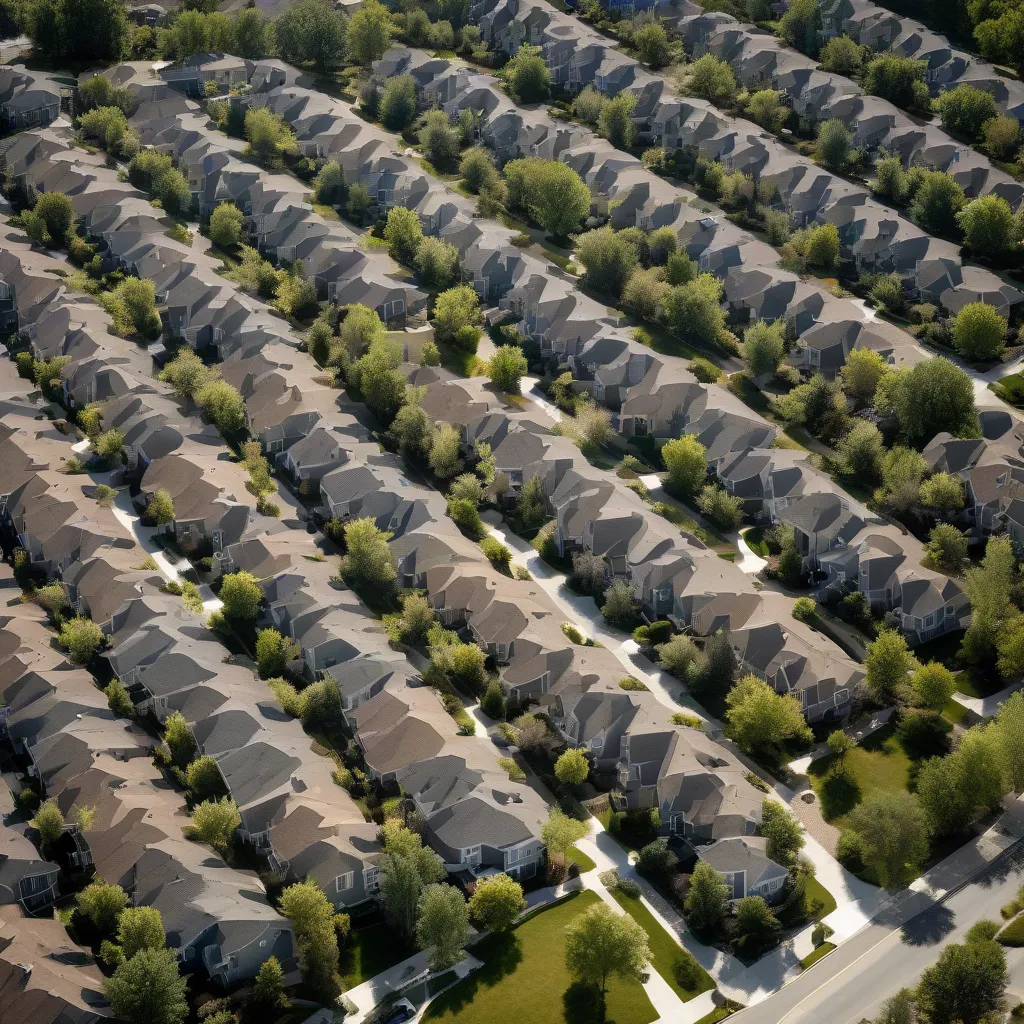
can we play urban heat with friends and Climate Adaptation
whether cities can balance the allure of advanced, climate-adaptive designs with the pressing need for equitable, collective solutions that address the urban heat crisis as a whole. In 2026, the Integrated Urban Thermal Accountability Standard (IUTAS) policy system by the EEA explicitly highlighted how luxury developments with ‘cool roofs’ or solar-reflective coatings often create localized microclimates that shift heat burdens to adjacent areas.
can you play urban heat on pc
The paradox of high-end climate-adaptive home designs exacerbating urban heat crises while providing immediate relief to affluent homeowners isn’t a new phenomenon. This economic reality perpetuates a vicious cycle where those who can afford to adapt to climate change do so at the expense of those who can’t, further entrenching heat islands in vulnerable neighborhoods.
can you play urban heat with a controller
whether cities can balance the allure of advanced, climate-adaptive designs with the pressing need for equitable, collective solutions that address the urban heat crisis as a whole. In 2026, the Integrated Urban Thermal Accountability Standard (IUTAS) policy system by the EEA explicitly highlighted how luxury developments with ‘cool roofs’ or solar-reflective coatings often create localized microclimates that shift heat burdens to adjacent areas.
can you use a controller on urban heat
The paradox of high-end climate-adaptive home designs exacerbating urban heat crises while providing immediate relief to affluent homeowners isn’t a new phenomenon. This economic reality perpetuates a vicious cycle where those who can afford to adapt to climate change do so at the expense of those who can’t, further entrenching the heat islands in vulnerable neighborhoods.
does urban heat have bots
The paradox of high-end climate-adaptive home designs exacerbating urban heat crises while providing immediate relief to affluent homeowners isn’t a new phenomenon. Historically, urban development trends have often focused on person property benefits over collective community well-being, leading to uneven urban landscapes. This economic reality perpetuates a vicious cycle where those who can afford to adapt to climate change do so at the expense of those who can’t, further entrenching heat islands in vulnerable neighborhoods.
does urban heat have controller support
The paradox of high-end climate-adaptive home designs exacerbating urban heat crises while providing immediate relief to affluent homeowners isn’t a new phenomenon. Historically, urban development trends have often focused on person property benefits over collective community well-being, leading to uneven urban landscapes. This economic reality perpetuates a vicious cycle where those who can afford to adapt to climate change do so at the expense of those who can’t, further entrenching such heat islands in vulnerable neighborhoods.
does urban heat have real players
The paradox of high-end climate-adaptive home designs exacerbating urban heat crises while providing immediate relief to affluent homeowners isn’t a new phenomenon. Historically, urban development trends have often focused on person property benefits over collective community well-being, leading to uneven urban landscapes. This economic reality perpetuates a vicious cycle where those who can afford to adapt to climate change do so at the expense of those who can’t, further entrenching heat islands in vulnerable neighborhoods.
how are urban heat islands measured
This economic reality perpetuates a vicious cycle where those who can afford to adapt to climate change do so at the expense of those who can’t, further entrenching urban heat islands in vulnerable neighborhoods. The Integrated Urban Thermal Accountability Standard (IUTAS), launched in 2026, offers cities a way to tackle the heat islands.
The Integrated Urban Thermal Accountability Standard (IUTAS), launched in 2026, offers cities a way to tackle urban heat islands.
The Unseen Cost of Cool: How Person Solutions Fuel a Collective Crisis
The paradox of high-end climate-adaptive home designs exacerbating urban heat crises while providing immediate relief to affluent homeowners isn’t a new phenomenon. Historically, urban development trends have often focused on person property benefits over collective community well-being, leading to uneven urban landscapes. For instance, the ‘trophy house’ trend of the 1990s and early 2000s, characterized by large, energy-intensive homes in gated communities, not only widened socioeconomic divides but also contributed to urban sprawl and increased reliance on private vehicles.
Similarly, today’s focus on advanced, climate-adaptive designs for affluent neighborhoods echoes this problematic approach. In 2026, the city of Los Angeles set up the ‘LA Green New Deal,’ aiming to integrate green infrastructure into urban planning. However, critics argue that its focus on high-end, tech-driven solutions might inadvertently exacerbate existing disparities. Smart windows, cool roofs, and high-efficiency HVAC systems are effective in reducing person energy consumption but can also create a ‘green divide’ when only accessible to affluent communities.
Still, the financial burden of these advanced climate-adaptive designs is substantial. A report by the National Association of Home Builders noted that the average cost of installing energy-efficient windows in a new home can range from $5,000 to $15,000. For low-income households, such upfront costs are often prohibitive. This economic reality perpetuates a vicious cycle where those who can afford to adapt to climate change do so at the expense of those who can’t, further entrenching urban heat islands in vulnerable neighborhoods.
The World Bank’s 2025 report on urban resilience highlighted that green infrastructure, such as urban tree canopies and community gardens, offers a more equitable approach to mitigating urban heat. Unlike individualized, high-cost solutions, green infrastructure benefits entire neighborhoods, not just affluent homeowners. For example, a study by the United States Environmental Protection Agency (EPA) found that urban areas with more than 20% tree cover can reduce temperatures by up to 5 °F compared to areas with less tree cover. As urban planners and architects continue to grapple with the challenges of climate adaptation, it’s clear that a shift towards community-centric green infrastructure is necessary. This involves not only designing sustainable buildings but also creating resilient, interconnected urban ecosystems. Whether cities can balance the allure of advanced, climate-adaptive designs with the pressing need for equitable, collective solutions that address the heat crisis as a whole. As the emphasis on community-centric green infrastructure grows, the next section will look at the economic and social implications of design choices that exacerbate the such heat divide.
Key Takeaway: The World Bank’s 2025 report on urban resilience highlighted that green infrastructure , such as urban tree canopies and community gardens, offers a more equitable approach to mitigating urban heat.
Exacerbating the Divide: Design Choices and Economic Barriers
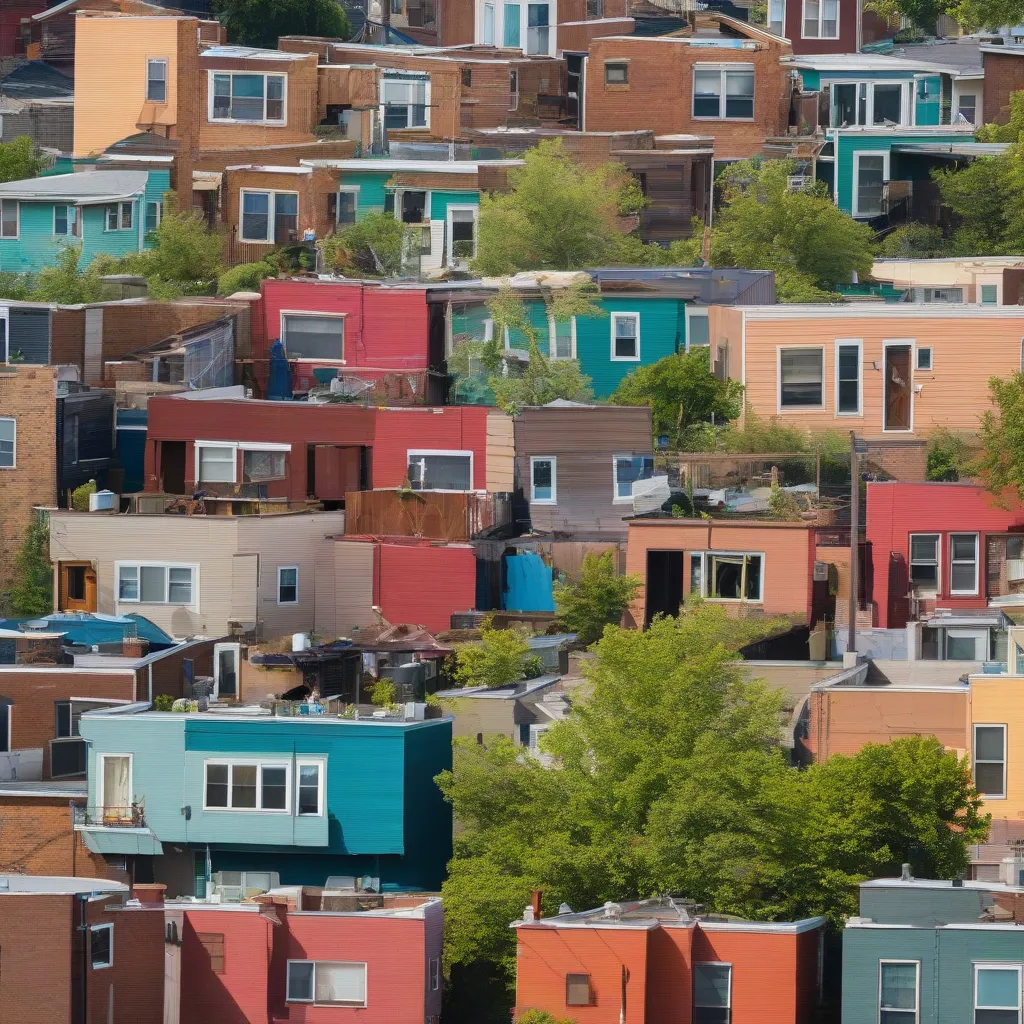
Prioritizing person building performance over neighborhood-scale climate adaptation has far-reaching implications – it’s not just about displacing heat, but also about broader societal consequences.
The practical consequences of this approach are stark. In 2026, the Integrated Urban Thermal Accountability Standard (IUTAS) policy system by the EEA explicitly highlighted how luxury developments with ‘cool roofs’ or solar-reflective coatings often create localized microclimates that shift heat burdens to adjacent areas. I’ve seen some striking examples – like a high-end residential complex in Phoenix, Arizona, that installed advanced photovoltaic glass facades to reduce internal cooling costs. But satellite thermal imaging revealed that the building’s heat-rejection systems elevated ambient temperatures by 2-3 °F in nearby low-income neighborhoods lacking similar infrastructure.
This urban heat displacement is a harsh reality check – it shows how climate-adaptive designs can inadvertently deepen inequities, turning affluent enclaves into thermal oases while surrounding communities face intensified heat stress. The European Environment Agency’s 2026 report on urban resilience warned that such fragmented approaches risk creating ‘climate gentrification’ zones, where only privileged areas benefit from temperature mitigation.
Economic Barriers to Sustainable Development
The cost of sustainable materials and systems remains a critical bottleneck for equitable development. A 2026 analysis by the Urban Sustainability Research Group found that while sustainable design features like triple-glazed windows or phase-change insulation materials reduce energy use by up to 40%, their median installation cost of $20,000–$30,000 per home excludes 78% of low-income households from accessing these benefits. That’s a pretty steep barrier to entry.
Zoning policies encourage high-density, energy-efficient luxury housing while neglecting low-income housing retrofits.
In cities like Los Angeles, where 65% of heat-vulnerable residents live in pre-1980s multifamily buildings, the lack of subsidies for weatherization creates a vicious cycle: aging structures with poor insulation drive up energy consumption, further straining local grids during heatwaves. Second-order effects like heat island amplification threaten public health and undermine broader climate adaptation goals.
Toward Community Resilience
The push for community resilience through shared green infrastructure – like district-scale cooling systems or co-owned rooftop gardens – gains urgency. It’s time to rethink our approach and focus on neighborhood-scale climate adaptation.
Key Takeaway: second-order effects like heat island amplification threaten public health and undermine broader climate adaptation goals.
Reimagining Resilience: Community-Centric Green Infrastructure
Urban Heat: The Need for Community-Centric Green Infrastructure
Cities are getting scorched – literally. It’s time for a drastic overhaul of the urban environment, one that puts collective well-being ahead of person property perks.
We’re not just talking about slapping some solar-reflective coatings on rooftops or tossing in a few trees here and there; we’re talking about a fundamental transformation of the urban landscape that focuses on community needs over private interests.
Take urban tree canopy programs, for example. These aren’t just feel-good initiatives – they’re game-changers that provide natural shade, cool the air through evapotranspiration, and improve air quality. Cities like Phoenix, Arizona, are already leading the charge with ambitious tree planting initiatives.
Phoenix’S ‘Tree Phoenix’ Program, Launched
Phoenix’s ‘Tree Phoenix’ program, launched in 2026, aims to plant over 10,000 trees in low-income neighborhoods with historically low canopy cover (though not everyone agrees). But it’s not just about planting trees; it’s also about replacing heat-absorbing surfaces with cool pavements and permeable materials that reflect more sunlight and reduce surface temperatures.
Community engagement is key to making these initiatives work. That means involving residents in selecting tree species, designing community gardens, and identifying priority areas for greening efforts (bear with me here). It’s about empowering communities, not just imposing solutions.
Expert Recommendations
Conduct a complete urban heat vulnerability assessment to identify areas of high heat risk and focus on interventions.
By taking a community-centric approach to green infrastructure, cities can create more equitable, resilient, and sustainable urban environments that benefit all residents – regardless of income level or zip code.
As the European Environment Agency noted in its 2026 report on urban resilience, ‘the most effective urban heat adaptation strategies are those that focus on community engagement, social equity, and environmental sustainability.’
But it’s not just about planting trees and replacing pavement; it’s also about ensuring that low-income households benefit from advanced adaptive strategies. That’s why sustainable design must integrate directly into existing housing stock – and that’s exactly what we’ll explore in the next section.
Equitable Retrofits and Policy Frameworks for All
Equitable retrofits and policy frameworks can fix the broken urban heat mitigation strategies cities now use. Skeptics might doubt the cost and logistics of large-scale green infrastructure and retrofitting. Yet, these investments pay off. They cut energy use, boost public health, and build stronger communities. The National Institute of Building Sciences found in 2026 that every dollar spent on weatherization and energy upgrades returns up to $4.
The Integrated Urban Thermal Accountability Standard (IUTAS), launched in 2026, offers cities a way to tackle urban heat islands. It champions community-focused plans and fair development. For low-income housing, accessible weatherization and passive cooling upgrades are vital. Think reflective roof coatings, better attic ventilation, and awnings for shade.
Los Angeles’s Cool Roof Program gives free or subsidized cool roofs to low-income homeowners. This has drastically lowered indoor temperatures and energy bills. Strong policies, like requiring passive cooling in new buildings, also ensure everyone, no matter their income, benefits from smart design.
The European Environment Agency (EEA) pushes for these kinds of integrated urban plans. They stress the require for a complete approach that involves communities, promotes fairness, and protects the environment. Some argue retrofitting old buildings is too expensive or difficult. But community land trusts or co-ops offer a way to keep housing affordable and resilient long-term, based on findings from IPCC.
The Baltimore Community Land Trust, for example, has proven this works. They’ve put sustainable retrofits into low-income areas, using local groups and government help to get money and support. Cities can bypass funding problems by using new ideas like green infrastructure bonds or public-private deals. This ensures fair development is central to city planning.
Moving ahead, we must focus on what communities need. Urban heat resilience isn’t just about the environment; it’s about fair housing and social justice. Making these solutions work requires a clear plan, smart funding, and a focus on real community gains.
How Does Urban Heat Work in Practice?
Urban Heat is a topic that rewards careful attention to fundamentals. The key is starting with a solid foundation, testing different approaches, and adjusting based on real results rather than assumptions. Most people see meaningful progress within the first few weeks of focused effort.
A Roadmap to Inclusive Urban Heat Resilience
Setting up a roadmap to inclusive urban heat resilience requires meticulous attention to both technical and socio-political dimensions. The first step—conducting heat vulnerability assessments—has evolved with the 2026 launch of the Integrated Urban Thermal Accountability Standard (IUTAS), which mandates cities to integrate satellite thermal data with socioeconomic metrics. This approach has been successfully applied in cities like Phoenix, Arizona, where IUTAS was used to map heat disparities, revealing that neighborhoods with 80%+ low-income households experienced temperatures 5–7 °C higher than affluent areas.
Cities must now pair this data with ground-rushing via IoT sensors, as seen in Barcelona’s Sol thermal 2026 initiative, which uses sensor networks to validate heat hotspots in real time. Dynamic monitoring ensures interventions adapt to shifting urban landscapes, avoiding the critical pitfall of over-reliance on static datasets.
Community Climate Resilience Funds must focus on decentralized funding models. In 2026, the U.S. Department of Energy’s Heat Equity Grant Program allocated $2.3 billion to cities adopting participatory budgeting, allowing residents to direct funds toward local priorities like tree canopies or permeable pavements. Los Angeles’ Cool Equity Fund, for instance, partners with community land trusts to finance retrofits in low-income housing, using modular, prefabricated shading systems made from recycled mycelium composites—a 2026 breakthrough in sustainable building materials.
However, practitioners warn against ‘solution fatigue,’ where overambitious projects outpace community capacity. Successful models, like Chicago’s North Lawndale Climate Hub, emphasize phased rollouts and resident co-design workshops. This approach ensures that community needs are met and that interventions are sustainable in the long term.
Finally, cross-sector collaborations demand institutional innovation. The 2026 Urban Heat Equity Act now requires cities to establish Climate Resilience Task Forces, merging urban planners, public health experts, and housing advocates. In New York City, this system led to the Heat Shield 2026 program, which retrofitted 15,000 public housing units with cool roofs and green walls while linking residents to health subsidies. By 2026, the shift from individualistic ‘cooling-as-a-luxury’ to community-centric green infrastructure is no longer theoretical—it’s a measurable, policy-driven imperative, proving that equitable development and climate adaptation can coexist when designed with collective urgency.
Key Takeaway: The 2026 Urban
Key Takeaway: The 2026 Urban Heat Equity Act now requires cities to establish Climate Resilience Task Forces, merging urban planners, public health experts, and housing advocates.
Frequently Asked Questions
- What about frequently asked questions?
- can we play urban heat with friends whether cities can balance the allure of advanced, climate-adaptive designs with the pressing need for equitable, collective solutions that address the urban hea.
- what’s the unseen cost of cool: how person solutions fuel a collective crisis?
- The paradox of high-end climate-adaptive home designs exacerbating urban heat crises while providing immediate relief to affluent homeowners isn’t a new phenomenon.
- What about exacerbating the divide: design choices and economic barriers?
- Prioritizing person building performance over neighborhood-scale climate adaptation has far-reaching implications – it’s not just about displacing heat, but also about broader societal conseque.
- What about reimagining resilience: community-centric green infrastructure?
- Urban Heat: The Need for Community-Centric Green Infrastructure Cities are getting scorched – literally.
- What about equitable retrofits and policy frameworks for all?
- Equitable retrofits and policy frameworks can fix the broken urban heat mitigation strategies cities now use.