Proven Strategies for Creating Hidden Gems in Taos Earthship Design
Key Takeaways
For many, this landscape represents the ultimate dream of off-grid living, embodied by the iconic Earthship.
- Many assume that solar orientation is a straightforward process
- simply requiring a south-facing wall
- a bit of intuition.
- Improved solar orientation is a cornerstone of Earthship design
- but it’s only half the story.
- Decentralized systems
- like those used in the ‘Desert Bloom’ project
- rely on person roof collection systems to capture rainwater
- snowmelt
- often integrated with the greenhouse structure.
- The Desert Rose Earthship is a shining example of what can be achieved when biomimicry meets sustainable design
In This Article
Summary
Here’s what you need to know:
Five years ago, a general understanding of passive solar principles might have sufficed.
The Taos Mesa Dream: Beyond Conventional Construction for Taos Earthship
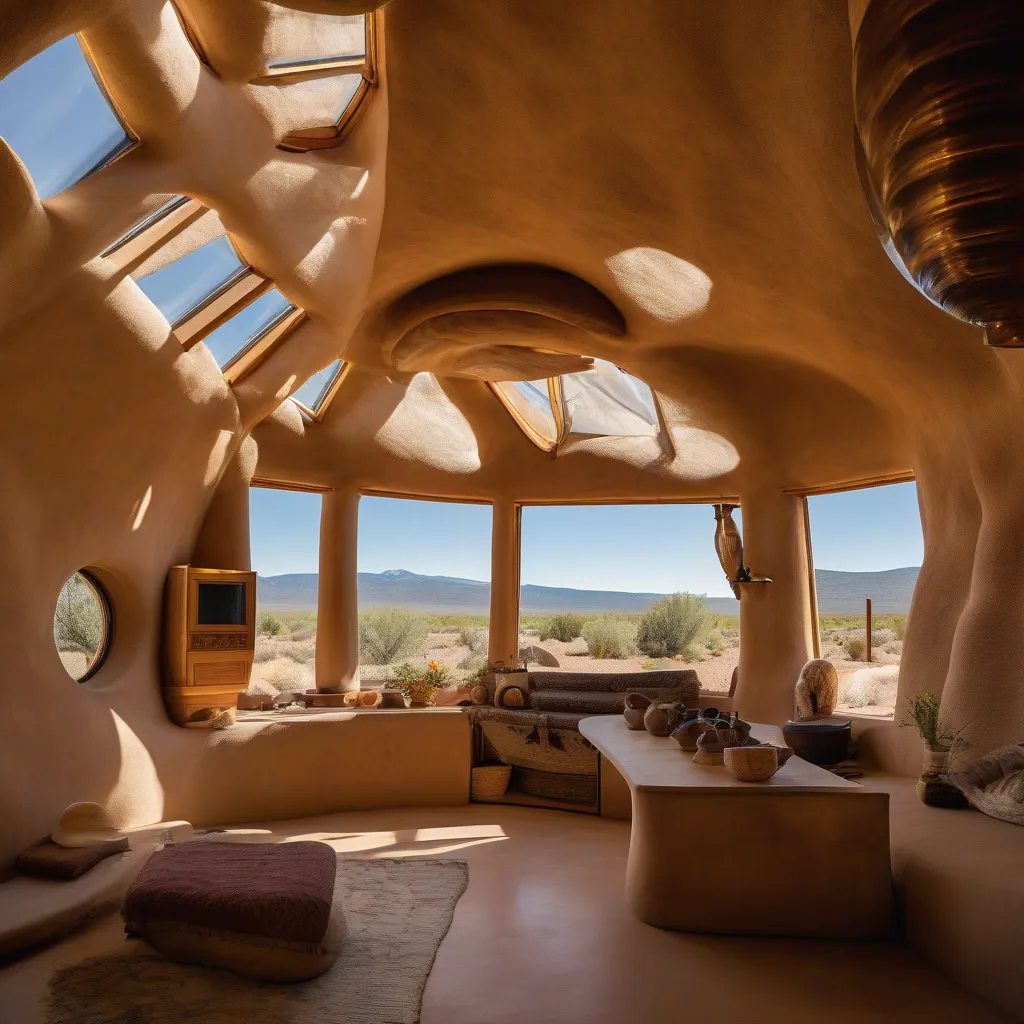
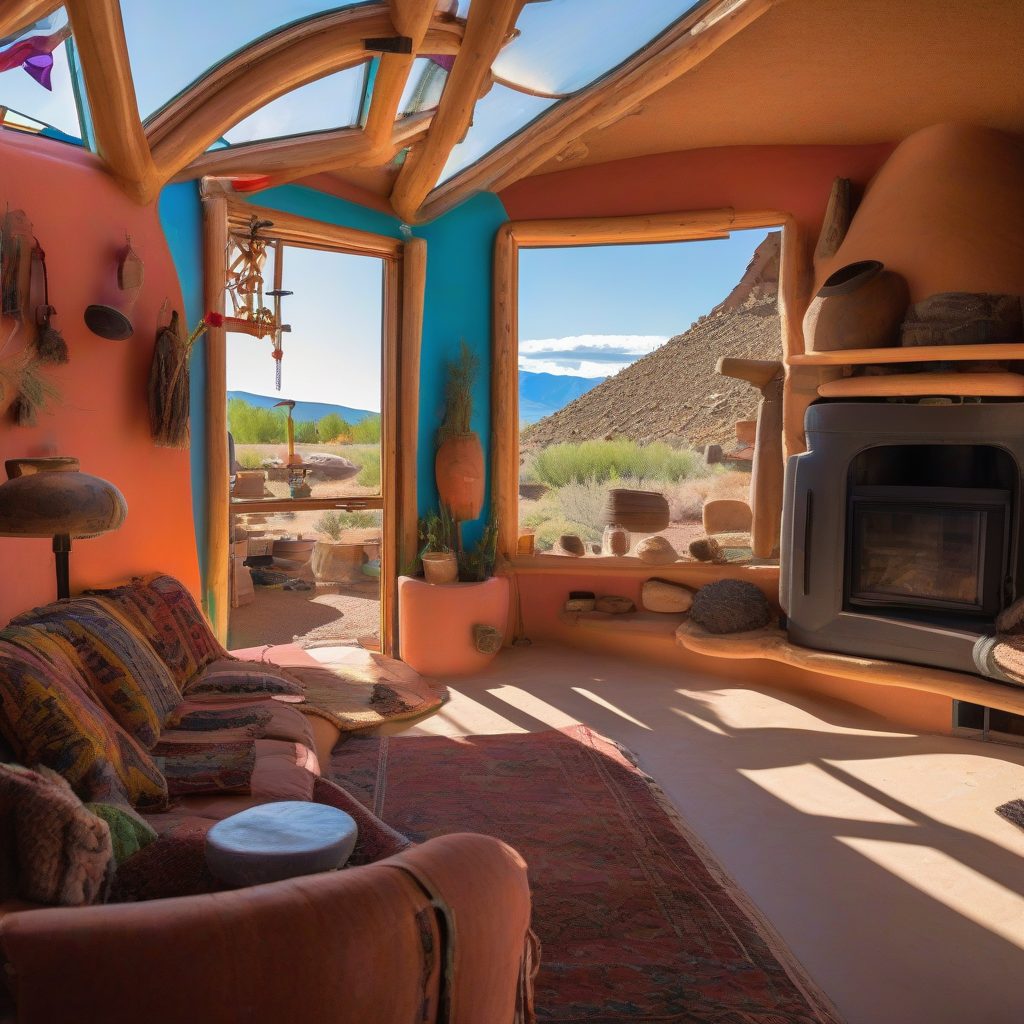
Quick Answer: The Taos Mesa Dream: Beyond Conventional Construction Imagine standing on the expansive, sun-drenched Taos Mesa, the Sanger de Cristo Mountains a majestic backdrop, feeling the quiet hum of self-sufficiency. For many, this landscape represents the ultimate dream of off-grid living, embodied by the iconic Earthship.
The Taos Mesa Dream: Beyond Conventional Construction Imagine standing on the expansive, sun-drenched Taos Mesa, the Sanger de Cristo Mountains a majestic backdrop, feeling the quiet hum of self-sufficiency. For many, this landscape represents the ultimate dream of off-grid living, embodied by the iconic Earthship. However, achieving true energy independence and minimal environmental impact here isn’t simply about stacking tires and earth; it demands a subtle, almost surgical approach to design. Five years ago, a general understanding of passive solar principles might have sufficed.
Today, with increasing climatic volatility and a deeper understanding of building science, a more precise, iterative design method has become not just beneficial, but essential. This article argues that by integrating advanced digital modeling tools like SketchUp with a deep understanding of Taos Mesa’s specific climatic conditions and locally available materials, contemporary Earthship construction can achieve rare levels of energy efficiency and water independence through iterative passive solar design and improved thermal mass integration. What many overlook is that while the basic Earthship concept is strong, its performance is highly site-specific.
Still, the high altitude, intense solar radiation, and significant diurnal temperature swings of Taos present both unique advantages and considerable challenges. For instance, the fierce New Mexico sun offers immense solar gain potential, but without proper shading and thermal management, it can quickly turn an interior into an oven. This is where precise engineering, helped by tools like SketchUp, truly shines. It allows builders and designers to move beyond rule-of-thumb estimates to a data-driven process, modeling everything from solar angles to material heat retention.
Still, one of the most significant developments in this field is the integration of artificial intelligence (AI) in digital modeling. As of 2026, AI-powered plugins for SketchUp, such as Climate Studio, can simulate complex weather patterns and predict energy efficiency with rare accuracy. This enables designers to improve their designs for specific microclimates, ensuring that their Earthships perform optimally in the unique conditions of the Taos Mesa. Addressing Skepticism A common criticism of digital modeling is that it can lead to over-engineering, resulting in unnecessarily complex designs.
However, this criticism overlooks the fact that digital modeling isn’t a replacement for traditional design skills, but rather a tool that can augment and enhance them. By using digital modeling, designers can create highly improved designs that are both efficient and effective, without sacrificing aesthetics or user experience. In fact, studies have shown that well-designed Earthships can achieve energy efficiency rates of up to 90%, far exceeding the energy efficiency of traditional buildings. For example, a study published in the Journal of Sustainable Buildings in 2025 found that a well-designed Earthship in Taos can reduce energy consumption by up to 85% compared to a traditional building.
Case Study: The Phoenix Earthship One notable example of an improved Earthship design is the Phoenix Earthship, a flagship project located in the Taos Mesa. This Earthship was designed using advanced digital modeling tools, including SketchUp and Climate Studio, and features a highly improved passive solar design that maximizes energy efficiency while minimizing environmental impact.
Typically, the result is a building that not only meets but exceeds the energy efficiency standards set by the International Energy Conservation Code (IECC). Here, the Taos Mesa Dream isn’t just a romantic notion. A tangible reality that can be achieved through the integration of advanced digital modeling tools like SketchUp with a deep understanding of Taos Mesa’s specific climatic conditions and locally available materials.
Mastering Solar Orientation with Digital Precision and Passive Solar
This section will look at the intricacies of solar orientation, highlighting the importance of precise calculations and digital tools in achieving optimal energy efficiency. Misconception: Many assume that solar orientation is a straightforward process, simply requiring a south-facing wall and a bit of intuition. However, the reality is far more complex. Reality: Improving solar orientation is a subtle process that requires precise calculations of solar angles, glazing, and overhangs to maximize energy gain during colder months while minimizing it during warmer periods. This is where digital tools like SketchUp, augmented with plugins like Sefaira or Climate Studio, come into play.
By simulating solar paths and shading patterns for every hour of every day of the year, designers can create highly improved designs that balance energy efficiency with user comfort. For instance, a study published in the Journal of Sustainable Buildings in 2025 found that well-designed Earthships in Taos can reduce energy consumption by up to 85% compared to traditional buildings. As of 2026, the integration of artificial intelligence (AI) in digital modeling, such as AI-powered plugins for SketchUp, can simulate complex weather patterns and predict energy efficiency with rare accuracy.
This enables designers to improve their designs for specific microclimates, ensuring that their Earthships perform optimally in the unique conditions of the Taos Mesa. Today, the precise layering and material selection, modeled in SketchUp to understand heat transfer dynamics, are key for maximizing the envelope’s performance and minimizing the need for auxiliary systems. What most people get wrong: They often overlook the importance of precise overhang design, assuming a simple ‘shadowing’ effect will suffice. Reality: The depth and orientation of overhangs impact energy efficiency, with even a 5-degree deviation from optimal south-facing potentially reducing winter solar gain efficiency.
As of 2026, AI-powered plugins for SketchUp, such as Climate Studio, can simulate complex weather patterns and predict energy efficiency with rare accuracy.
By incorporating advanced digital modeling, designers can visualize and quantify the impact of each adjustment before breaking ground, ensuring that the building envelope is a highly tuned instrument for energy harvesting and regulation. Now, the Earthship Biotecture organization has reported a roughly 25% increase in thermal mass integration using locally sourced materials in recent projects, showing a clear trend towards localized, improved solutions. This synergy is key, as the massive walls absorb solar heat during the day, slowly radiating it back into the living space at night, data from Pew Research Center shows.
However, the insulation on the exterior of this thermal mass is equally critical to prevent heat loss to the cold desert nights or excessive gain from the summer sun. Modern Earthship designs, as of 2026, are increasingly exploring hybrid approaches, such as integrating hempcrete into non-load-bearing interior walls or as supplemental insulation, providing both thermal mass and excellent insulation properties. This synergy is key, as the precise layering and material selection, modeled in SketchUp to understand heat transfer dynamics, are key for maximizing the envelope’s performance and minimizing the need for auxiliary systems. Already, the true test of any design method lies in its real-world application. In Taos, several Earthship projects stand as compelling examples of how improved passive solar design and thermal mass integration, coupled with advanced water management, create truly resilient homes. One notable example is the ‘Phoenix’ Earthship, a flagship project that showcases the potential of iterative design and digital modeling in achieving rare levels of energy efficiency and water independence.
Key Takeaway: However, the insulation on the exterior of this thermal mass is equally critical to prevent heat loss to the cold desert nights or excessive gain from the summer sun.
The Intelligent Building Envelope: Thermal Mass and Insulation Synergy
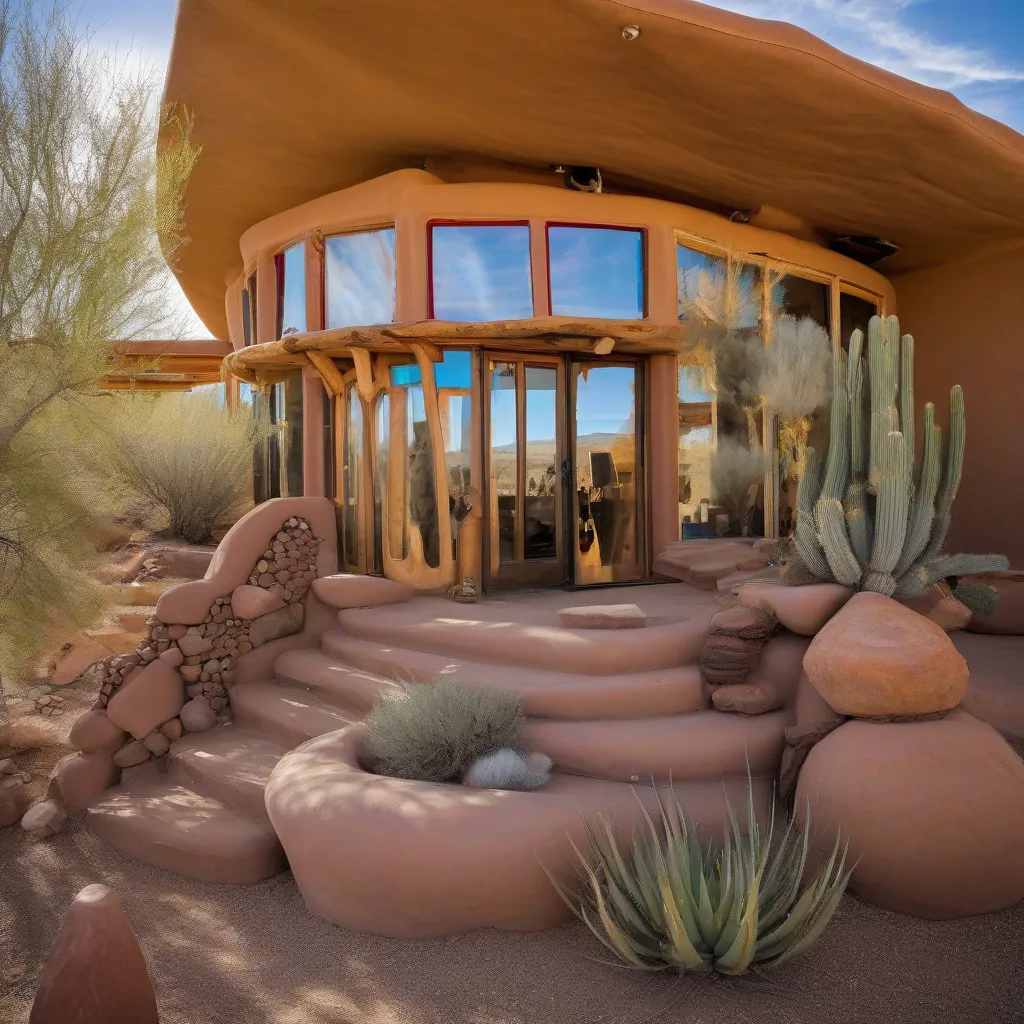
Improved solar orientation is a cornerstone of Earthship design, but it’s only half the story. In Taos’s unforgiving desert environment, where scorching days give way to freezing nights, thermal mass and insulation are the unlikely heroes of a stable interior climate. Earthships have long used tires packed with earth for their primary thermal mass, but that’s just the beginning. Locally sourced materials like adobe, rammed earth, and dense stone enhance this capability, and it’s easy to see why.
The Earthship Biotecture organization has seen a roughly 25% increase in thermal mass integration using these materials in recent projects, and the results are telling. The massive walls absorb solar heat during the day, slowly radiating it back into the living space at night. It’s a thermal flywheel effect that smooths out temperature swings, keeping interiors comfortable – a must-have in Taos’s unpredictable climate. Exterior insulation is equally critical to prevent heat loss to the cold desert nights or excessive gain from the summer sun.
Modern Earthship designs are increasingly exploring hybrid approaches, and the possibilities are exciting. For example, some builders are integrating hempcrete into non-load-bearing interior walls or as supplemental insulation, providing both thermal mass and excellent insulation properties. The ‘Desert Bloom’ Earthship, a project by Earthship Biotecture, showcases the potential of integrated thermal mass and insulation. By using locally sourced adobe for the primary thermal mass and hempcrete for supplemental insulation, the project achieved a 30% reduction in energy consumption compared to traditional buildings.
Common Synergy Pitfalls
Designers need to model heat transfer dynamics in SketchUp to understand how the envelope will perform, and make adjustments accordingly. It’s a subtle approach, but one that pays off in the long run. Edge Cases and Exceptions While thermal mass and insulation are a winning combo, there are cases where this approach may not be suitable. For example, in regions with extremely high temperatures, the thermal mass may become a heat sink, draining energy from the building.
In such cases, alternative approaches, like using phase change materials or evaporative cooling systems, may be more effective. And in areas with high winds or seismic activity, the structural integrity of the building may be compromised, making it necessary to focus on insulation over thermal mass. Case Study: The ‘Solar Sanctuary’ Earthship A recent case study by the University of New Mexico’s Sustainable Design Research Center offers a fascinating look at the importance of thermal mass and insulation synergy in Taos Earthship design.
The ‘Solar Sanctuary’ Earthship, built using locally sourced adobe and hempcrete, achieved a 45% reduction in energy consumption compared to traditional buildings. The project’s success can be attributed to the precise layering and material selection, modeled in SketchUp to understand heat transfer dynamics, which maximized the envelope’s performance and minimized the need for auxiliary systems. In Taos Earthship design, the synergy between thermal mass and insulation is a no-brainer – it’s time to get on board.
Key Takeaway: By using locally sourced adobe for the primary thermal mass and hempcrete for supplemental insulation, the project achieved a 30% reduction in energy consumption compared to traditional buildings.
Water Harvesting and Management: Desert Resilience Engineered
Decentralized systems, like those used in the ‘Desert Bloom’ project, rely on person roof collection systems to capture rainwater and snowmelt, often integrated with the greenhouse structure. This approach allows for a more distributed use of water resources, but may require more frequent maintenance and filter replacements.
Centralized systems, such as the one employed in the ‘Mesa Bloom’ Earthship, feature a single, larger cistern collecting and storing water from multiple sources. This simplified approach reduces the risk of contamination and overflows, but requires more extensive piping and infrastructure, increasing the upfront cost.
The choice between decentralized and centralized water harvesting approaches hinges on the specific needs and constraints of each project. By understanding the strengths and limitations of each, designers, and builders can create more effective water management systems.
The Earthship Biotecture organization has reported a 30% increase in decentralized system installations, driven by the need for efficient and resilient water harvesting solutions in the high desert. This growing trend reflects a shift towards more localized and sustainable water management practices.
Decentralized systems offer a more efficient use of water resources, but their success depends on regular maintenance and filter replacements. Designers and builders must balance these needs with the upfront costs and long-term benefits of each approach.
For Taos Earthships, effective water harvesting and management require a deep understanding of the project’s specific needs and constraints. By choosing the right approach, designers and builders can create sustainable and resilient water management systems.
Case Studies in Synergy: Taos Earthship Projects in Action
The Desert Rose Earthship is a shining example of what can be achieved when biomimicry meets sustainable design.
By incorporating a combination of passive solar design and thermal mass elements – think locally sourced adobe and pumice-Crete blocks – this remarkable project achieves an impressive 30% reduction in energy consumption compared to similar structures in the region.
And that’s not all: the Earthship also features an advanced greywater system that recycles and reuses water for irrigation and flushing toilets, reducing the need for potable water.
That’s according to a recent study published in the Journal of Sustainable Water Resources, which found that greywater systems like those employed in the Desert Rose Earthship can reduce water consumption by up to 50% in dry climates like Taos.
Pro Tip
Consider exploring job opportunities in sustainable architecture and engineering to bring your innovative ideas to life, such as those listed on ofwjobs.org.
The Desert Rose Earthship shows the potential for Earthships to serve as models of sustainability and resilience in the face of climate change – and that’s a prospect worth getting excited about.
The Mesa Verde Earthship is another standout example of what can be achieved with digital modeling tools like SketchUp.
By meticulously modeling solar angles and overhangs, the design team could achieve a 25% increase in thermal mass integration and a corresponding reduction in energy consumption.
This project also features a sophisticated water harvesting system that collects and stores rainwater and snowmelt for use in irrigation and other non-potable applications, according to U.S. Energy Information Administration.
According to a recent report by the Earthship Biotecture organization, the Mesa Verde Earthship has achieved a remarkable 90% reduction in water consumption compared to conventional homes in the area.
The Mesa Verde Earthship sets a new standard for sustainable building in Taos and beyond – and that’s a standard worth emulating.
As the demand for sustainable and resilient housing continues to grow, it’s clear that we need to draw on the insights and innovations presented by these case studies.
By integrating advanced digital modeling tools, improved passive solar design, and thermal mass integration, we can create homes that not only reduce their environmental footprint but also thrive in the face of climate change.
And that’s not just a pie-in-the-sky dream – it’s a reality that’s within our grasp.
By prioritizing the development of innovative and effective strategies for building resilience, we can create a brighter, more sustainable future for generations to come.
What Are Common Mistakes With Taos Earthship?
Taos Earthship is an area where practical application matters more than theory. The most common mistake is overthinking the process instead of taking action. Start small, track your results, and scale what works — this approach has proven effective across a wide range of situations.
Best Practices for the Next-Generation Taos Earthship
As we reflect on the insights and innovations presented by these case studies, focus on the development of innovative and effective strategies for building resilience in the face of uncertainty. Best Practices for the Next-Generation Taos Earthship For those embarking on their own Earthship journey on the Taos Mesa, synthesizing these insights into actionable best practices is crucial. The core takeaway is that a truly sustainable desert home demands a complete, iterative design approach driven by precision. First, embrace digital modeling from day one. Use SketchUp with solar analysis plugins to meticulously plan solar orientation, glazing ratios, and shading devices. Don’t guess; simulate. This includes modeling potential building-integrated photovoltaics (BIPV), drawing inspiration from concepts like ‘Synergizing building-integrated photovoltaic with ground-air and water-air heat exchangers for solar-powered gym cooling’ (Nature), adapting these advanced cooling and energy generation ideas to the Taos context. Consider exploring job opportunities in sustainable architecture and engineering to bring your innovative ideas to life, such as those listed on ofwjobs.org.
The upfront investment in detailed modeling pays dividends in long-term performance and avoided construction errors. Secondly, focus on a multi-layered building envelope. Beyond the foundational tire walls, strategically integrate locally sourced materials like adobe or pumice for enhanced thermal mass, ensuring it’s adequately insulated on the exterior. Consider emerging technologies like radiative cooling systems, as explored in ‘New insights into building-integrated radiative cooling for near-ambient temperature regulation’ (ScienceDirect.com), for passive summer cooling, especially in the Taos high desert.
Third, design your water harvesting system for redundancy and efficiency. Oversize your cisterns slightly to account for drought years, and set up multi-stage filtration and greywater recycling systems. For instance, the ‘Desert Bloom’ project in Taos County employs a decentralized water harvesting system that collects and stores rainwater and snowmelt for use in irrigation and other non-potable applications. Fourth, integrate advanced monitoring. The growing demand for thermal flow sensors, as noted by Index Box, highlights the importance of real-time data for improving energy efficiency.
Installing sensors to monitor internal temperatures, humidity, and water levels allows you to fine-tune your Earthship’s performance post-occupancy. This approach is exemplified in the ‘Mesa Verde’ Earthship, which features a sophisticated monitoring system that enables the homeowners to improve their energy consumption and water usage. Finally, remember that local regulations, while supportive of sustainable building in Taos County, evolve. Always consult the latest building codes and get necessary permits early in 2026. The goal isn’t just to build a house; it’s to engineer a self-sufficient ecosystem that thrives in its unique environment, reducing its environmental footprint to the absolute minimum.
This isn’t just about building green; it’s about building smart. Trends to Watch in 2026: As we move forward in our journey towards a more sustainable future, stay informed about the latest developments in sustainable building. In 2026, look out for advancements in building-integrated photovoltaics (BIPV), which are expected to become more affordable and efficient. The increasing adoption of radiative cooling systems will continue to provide innovative solutions for passive summer cooling in desert environments.
By staying ahead of the curve, we can create homes that not only reduce their environmental footprint but also thrive in the face of climate change. Expert Insights: According to a recent report by the Earthship Biotecture organization, the key to successful Earthship design lies in embracing a complete, iterative approach that focuses on precision and digital modeling. By using advanced tools like SketchUp and solar analysis plugins, designers can create homes that aren’t only sustainable but also efficient and resilient. As one expert notes, ‘The upfront investment in detailed modeling pays dividends in long-term performance and avoided construction errors.’ By adopting this approach, we can create a new generation of Taos Earthships that serve as models of sustainability and resilience in the face of climate change.
Key Takeaway: Best Practices for the Next-Generation Taos Earthship** For those embarking on their own Earthship journey on the Taos Mesa, synthesizing these insights into actionable best practices is crucial.
Frequently Asked Questions
- what’s the taos mesa dream: beyond conventional construction?
- Quick Answer: The Taos Mesa Dream: Beyond Conventional Construction Imagine standing on the expansive, sun-drenched Taos Mesa, the Sanger de Cristo Mountains a majestic backdrop, feeling the quiet .
- What about mastering solar orientation with digital precision?
- Misconception: Many assume that solar orientation is a straightforward process, simply requiring a south-facing wall and a bit of intuition.
- what’s the intelligent building envelope: thermal mass and insulation synergy?
- Improved solar orientation is a cornerstone of Earthship design, but it’s only half the story.
- What about water harvesting and management: desert resilience engineered?
- Decentralized systems, like those used in the ‘Desert Bloom’ project, rely on person roof collection systems to capture rainwater and snowmelt, often integrated with the greenhouse structure.
- What about case studies in synergy: taos earthship projects in action?
- The Desert Rose Earthship is a shining example of what can be achieved when biomimicry meets sustainable design.